Back PainFasciaHealthy Movement
How to Regenerate and Nourish Your Fascia for Optimal Health
6. října 2019
7 min read
Updated 4. 6. 2026
MF
Martina Fallerová
Movement & Wellness Expert
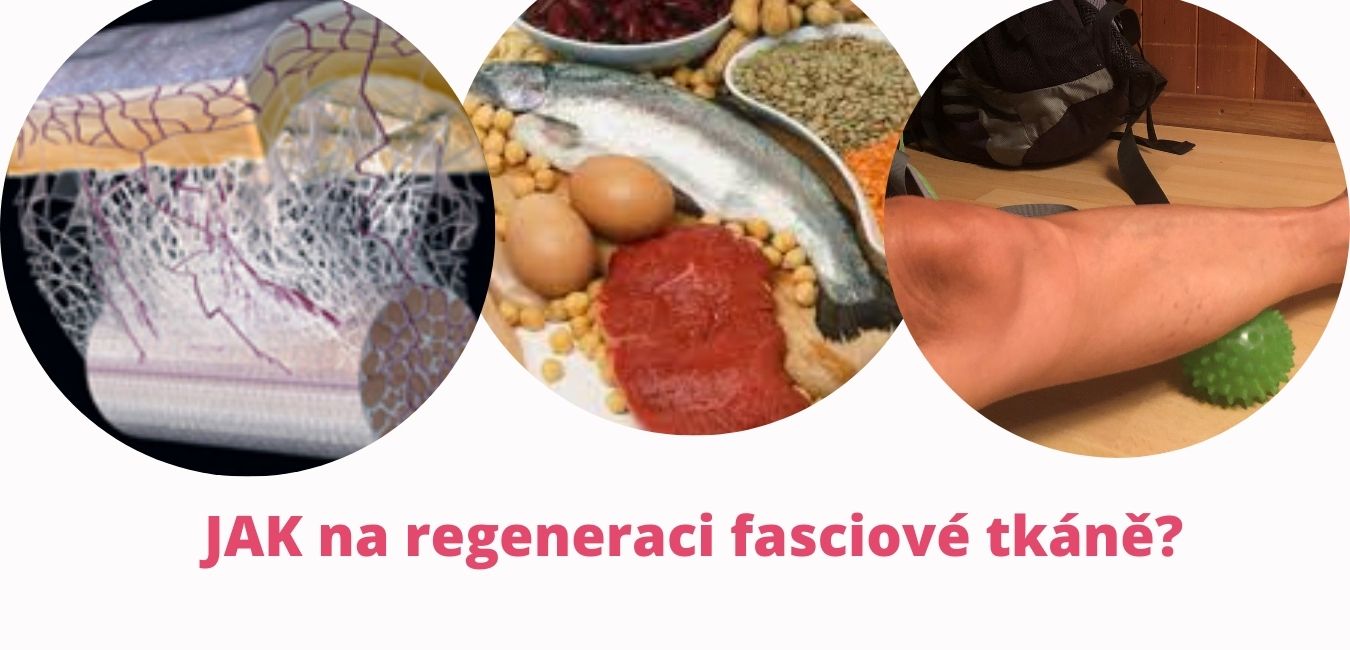
This article is a follow-up to IS YOUR BACK ACHING? YOUR FASCIA MIGHT BE TO BLAME.
What is Fascia?

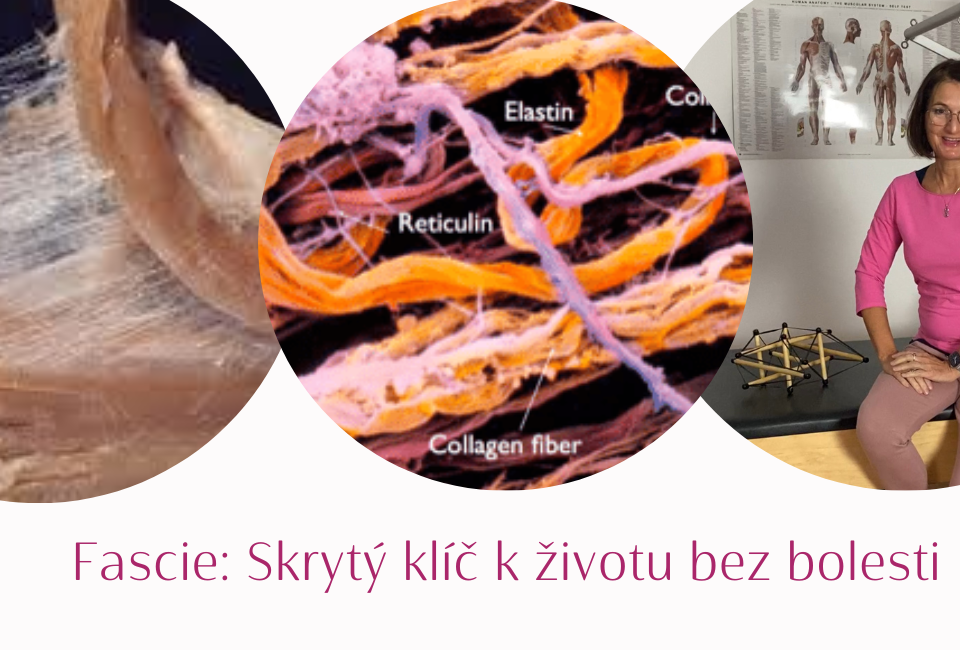
FASCIA, also known as connective tissue, is the structure that envelops, separates, and supports the entire system within our body. It is composed of collagen, elastic, and other fibers surrounded by an intercellular fluid. Fascia wraps around blood vessels, nerves, bones, muscles, and even individual muscle bundles. Our internal organs are also suspended within it.
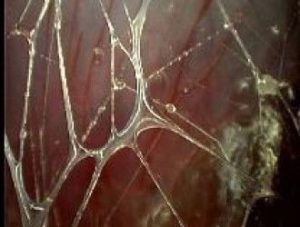
From this, we can see that this tissue forms a vast, spatial 3D web throughout our body, ensuring everything holds together while still allowing for movement and gliding between structures. It is also the richest sensory organ in the body and significantly influences our stability—a role once thought to belong solely to muscles and bones.
Collagen is the primary organic component of the body's support system, found in cartilage, bones, tendons, ligaments, and skin. It is the most abundant group of proteins in animals and plays a crucial role in the proper function of blood vessel walls, corneas, basement membranes, and various organs. It constitutes up to ten percent of the total human body weight and up to seventy percent of the skin.
Science currently recognizes about 27 types of collagen, and its biological significance is immense. Why? The degradation of collagen in the body can trigger diseases affecting the joints, heart, blood vessels, muscles, and skin. Collagen also plays a significant role in the aging process, as its production begins to decline after the age of 25.
The most common type of collagen is the one found in our skin, bones, and tendons. To prevent our fascial network from losing its fluidity, hydration, and elasticity, there are several key principles and recommendations worth following. Your body will certainly thank you, and you will feel much better.
In addition to the recommendations below, it's important to supplement collagen externally in later years. I have tried many different types, and the one that has worked best for me is a unique blend of active ingredients, including collagen, MSM, chondroitin, glucosamine, and Boswellia serrata, combined with a new generation of prebiotics based on enzymatically liquefied chicory fructooligosaccharides.
Don't Stay in One Position for Too Long

The human body is designed for movement. Movement prevents the various layers within the body from adhering to one another, which can later cause stiffness and a limited range of motion. If you have children, take advantage of their playgrounds. Don't just stand by as a supervisor—hang by your arms and legs. Your body will be thrilled.
Manage Stress with Long Walks or Sports
Under stress, fascial tissue stiffens and becomes matted, and toxins accumulate in the body. Movement that makes you sweat not only helps to mobilize these structures but also aids in detoxifying your system. The detoxifying power of sweating through the skin is often overlooked.
Combat Excess Weight
Excess weight not only places excessive strain on joints, tendons, and ligaments, but it also limits mobility. Furthermore, fat accumulates in adipose tissue, which is a part of the fascia. Fat-filled cells produce harmful hormonal and inflammatory substances. And let's not forget, cellulite doesn't add to our beauty either.
Limit Sugar
Elevated or excess sugar in the bloodstream spontaneously reacts with proteins, creating free radicals. This process is responsible for the formation of non-specific cross-links in collagen, leading to stiffness and reduced elasticity in tendons and fascia. The stiffer the connective tissues, the greater the risk of micro-trauma during dynamic movement. These micro-traumas are then repaired with a different type of collagen that is less elastic and more rigid, trapping you in a vicious cycle. An 81mg daily dose of aspirin is sometimes recommended to prevent the formation of these undesirable cross-links in collagen tissue. If you struggle to keep your blood sugar under control, the active form of vitamin B1 is also recommended.
Stop Smoking

Smoking produces a large number of harmful substances that deprive cells of oxygen from the blood. Nicotine constricts arteries and veins, putting them under stress, which negatively affects tissue nutrition. This is why smokers are at a higher risk for back pain, osteoarthritis, and disc problems—all due to poor nutrient supply to these structures.
Limit Alcohol
Alcohol also causes a loss of elasticity and leads to the dehydration of this vital tissue.
Drink Plenty of Water
Our body is composed of about 70% water, making it crucial to consume approximately 1.5 liters of still water daily. And yes, it really has to be water. Coffee, sodas, and colas don't count. These are considered consumables and tend to dehydrate the body rather than hydrate it.
Eat High-Quality Protein

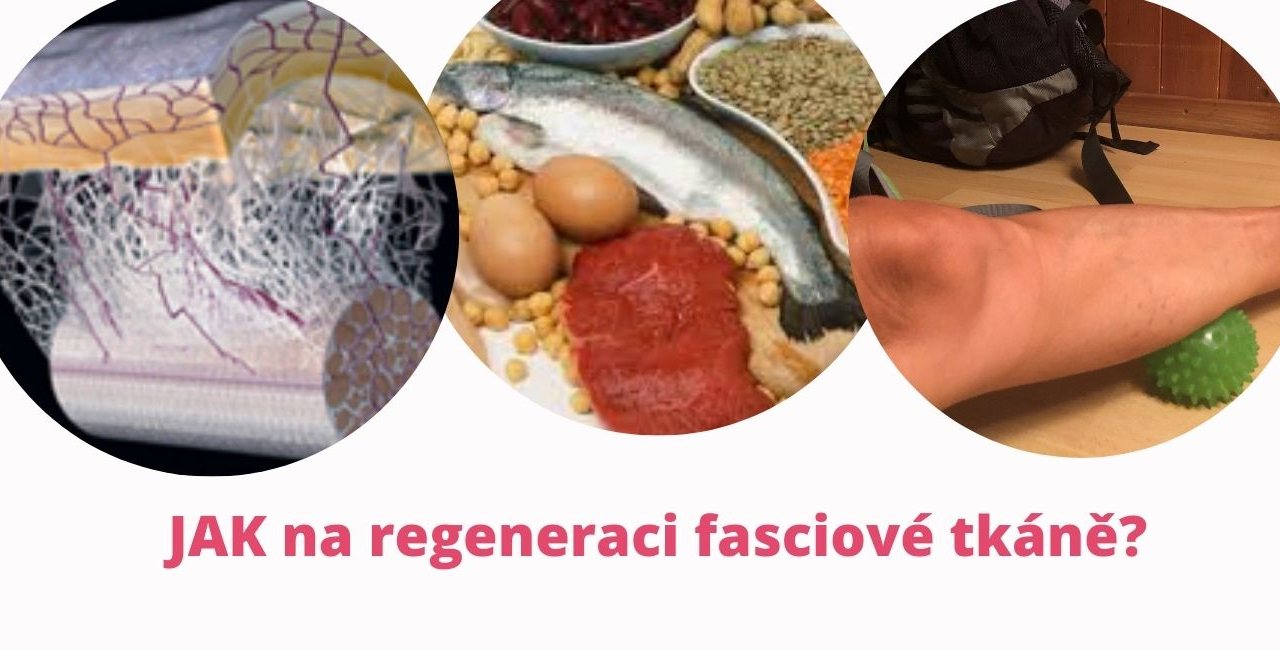
The foundation of fascial tissue is protein fibers. To build them, the body needs protein, specifically certain amino acids that must be supplied through diet, as the body cannot produce them on its own. Animal protein is generally more suitable than plant protein for this purpose. Therefore, focus on high-quality organic meat, eggs, and fish. For vegetarians, it's crucial to ensure an adequate intake of protein from sources like lentils, beans, and other legumes.
Get Enough Vitamin C
Collagen synthesis is dependent on Vitamin C. If this vitamin is lacking, muscle mass can decrease because collagen production is impaired. Don't be fooled into thinking that eating plenty of fruit is enough. Fruits are not the best source of Vitamin C. You'll find much higher concentrations in homegrown vegetables like broccoli, kale, cabbage, fennel, chili peppers, and potatoes. In the summer, homegrown strawberries and berries are great. Among tropical fruits, kiwi and papaya are excellent sources. However, the highest concentration of Vitamin C is found in acerola cherries.
Get Enough Zinc
Zinc is a vital element for cell metabolism, collagen synthesis, immune system support, and insulin production. It is also indispensable for the hormonal function of the thyroid gland and for testosterone production. Testosterone contributes to firm tissues in both men and women. Good sources of zinc include beef, pork, eggs, cheese, legumes, nuts, seafood, and organ meats.
Don't Forget Magnesium and Potassium
These elements also play a role in cell metabolism, collagen synthesis, and tissue hydration. Good sources of magnesium include mineral water and sunflower seeds. Potassium can be found in mushrooms, bananas, beans, cheese, spinach, and potatoes.
Get Sufficient, High-Quality Sleep
During sleep, the body, its tissues, and the intervertebral discs regenerate. With a long enough period of lying down, the discs can fill with fluid, receiving fresh nourishment. During deep sleep, the body produces growth hormone, which promotes collagen synthesis. Therefore, practicing good sleep hygiene is essential. Go to bed at a regular time and aim for 6-8 hours of sleep. Our body also experiences a natural lull around lunchtime and isn't programmed for high activity, so it's best to respect this rhythm.
Use a Foam Roller and Massage Balls
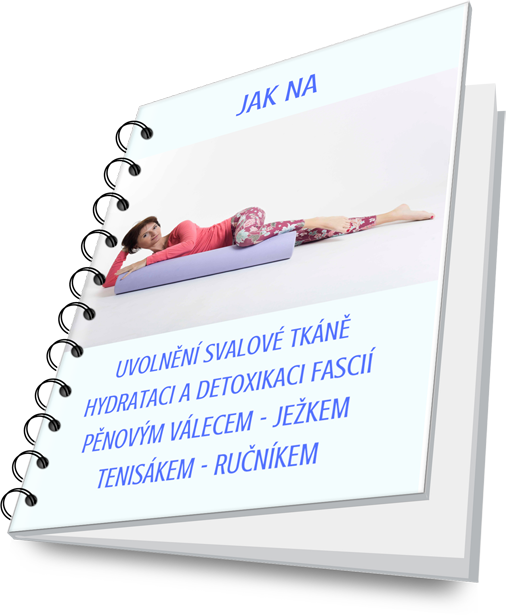
When your body is stressed, tight, and inflexible, a foam roller or other massage tool can provide significant relief. However, the technique is key. The direction of fascial fibers is different from that of muscle fibers. To effectively release the fascial structure—and with it, the blood vessels, nerve endings, and muscles—the technique and direction of rolling are crucial. This is something many instructors are not aware of.
So, how do you do it correctly?
My e-book, How to Release and Hydrate Muscle and Fascial Tissue, will guide you. Click HERE to learn more.
I have also created a unique online video course for you - RESTART YOUR BODY. In the course, we first release tension using self-massage tools, then work on optimizing the length of muscle and fascial structures, and finally, we strengthen everything for functional movement and integrate it into your daily habits. I look forward to seeing you all in the course!

Tags
#back pain#fascia#nutrition