Back PainFasciaHip HealthHealthy Movement
Hiking Without Pain: Your Guide to Healthy Muscles and Joints
26. března 2020
5 min read
Updated 4. 6. 2026
MF
Martina Fallerová
Movement & Wellness Expert
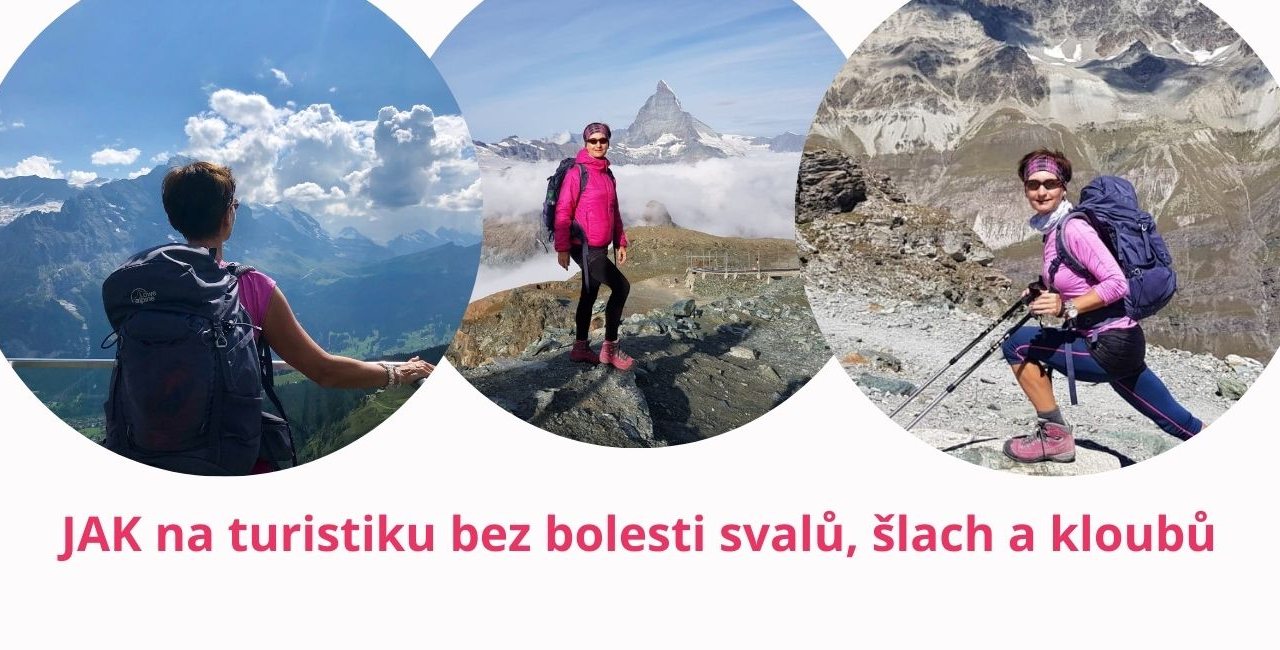
Hiking Without Pain: A Practical Guide to Enjoying the Mountains
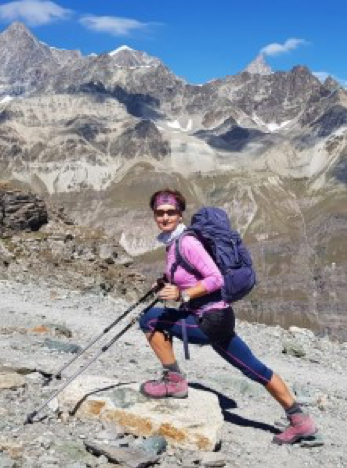
Getting out into nature and hiking in the mountains has become a wonderful way for us to escape the concrete cities, take a break from the daily grind, and recharge our batteries for the work ahead.
As soon as it gets warmer and the sun begins to shine, we’re drawn to the fresh air for longer walks. Summer vacations give us the chance to spend more consecutive days in nature than we can during the work year, allowing us to plan much more demanding hikes than we're used to. But for those of us who don't regularly tackle long, challenging climbs, the first big all-day hike often brings an unpleasant surprise the next morning: stiff legs. Our calf and thigh muscles make their presence known in a less-than-pleasant way. And it’s not uncommon for our knees, hip joints, lower back, neck, or overworked trapezius muscles to protest as well.
By keeping a few simple rules in mind while you hike, you can enjoy your dream vacation without the nagging pains that might otherwise disrupt your active getaway.
After you finish this article, I recommend you continue reading with another post on my blog: Walking Should Heal, Not Hurt.
Your Backpack
Choosing the right backpack is key. The size should match your height and the volume of gear you need to pack. It absolutely must have a hip belt and a chest strap. Always use the hip belt; otherwise, you risk unpleasant strain and overloading your trapezius and neck muscles. The chest strap, on the other hand, should only be used for more demanding activities where you need the pack to be held securely to your body (like on a via ferrata or while skiing). Remember to distribute the items in your pack evenly and adjust the right and left shoulder straps to the same length. This ensures your body is loaded symmetrically and the back panel of the pack stays in close contact with your back. It’s also a good idea to check the strap length during your hike. When you take off your backpack over just one shoulder, one strap can loosen without you noticing, leading to uneven strain on your back, hips, and legs.
Stretching and Elasticity
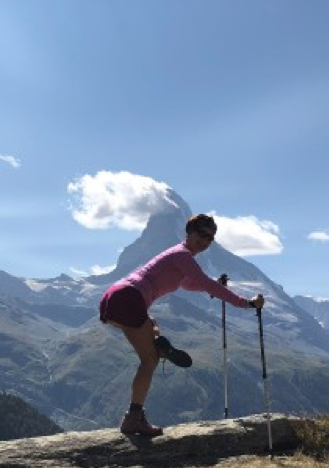
Even while hiking, it pays to think about your body, not just the beautiful views. Use your breaks not only to rehydrate or refuel with a snack but also to stretch strained parts of your body. During stops, it’s a great idea to stretch the back, front, and inner parts of your legs, including your calves, instead of just sitting down. When stretching, don't push to your absolute limit; just go until you feel a light pull, hold it, and gently pulse. This is crucial for maintaining elasticity and helping to drain the waste products that cause that familiar stiffness and pain the next day.
If your legs tend to swell or you already have issues with varicose veins, find a soft patch of grass, lie on your back for a few minutes, and rest your legs up against a tree, stump, or large rock. In these cases, it’s worth investing in compression socks. Your legs won't feel as tired, and your recovery will be much faster. After the hike, avoid a hot bath for your legs; instead, shower them with cooler water to speed up recovery. If you feel stiffness in your spine, stand with your back against a tree, a wall, or a door frame with your knees slightly bent, and slowly roll down and back up, vertebra by vertebra, a few times.
Plan Your Hikes
Ideally, you should plan your trip by starting with easier, shorter hikes and progressing to more difficult, time-consuming ones. If that doesn't work out (which happens to me and my family every year!), you need to spend enough time back at your room with a spiky massage ball to help your muscles, tendons, and fascia regenerate. Use a slow technique, and keep the pressure at a tolerable level so you can breathe calmly and stay relaxed. Roll perpendicular to the muscle fibers, moving from your ankle up toward your pelvis. This way, you can enjoy another beautiful hike the next day. You can find these release techniques and everything you want to know about fascia in my e-book on releasing muscle tissue with a foam roller, spiky ball, and more.
The next time you head out into nature, remember this advice. We only get one body, so it’s worth paying proper attention to it, even during our favorite activities. It’s also definitely worth reading this article: Does Your Back Hurt? Fascia Could Be to Blame.
Enjoy Your Time in the Mountains!
If you want to learn how to live a life in motion without pain, regenerate your muscles and fascia, breathe correctly, improve your posture, perform functional stretches, strengthen your body, build daily movement habits, and walk downhill without knee pain—I have a solution for you in my online course, Restart Your Body. Find out more info here and in the video below.
Tags
#knee pain#hip pain#shoulder pain#back pain#pain-free hiking