Back PainFasciaIncontinencePelvic Floor
The Functional Pelvic Floor: A Complete Guide
26. května 2023
4 min read
Updated 4. 6. 2026
MF
Martina Fallerová
Movement & Wellness Expert
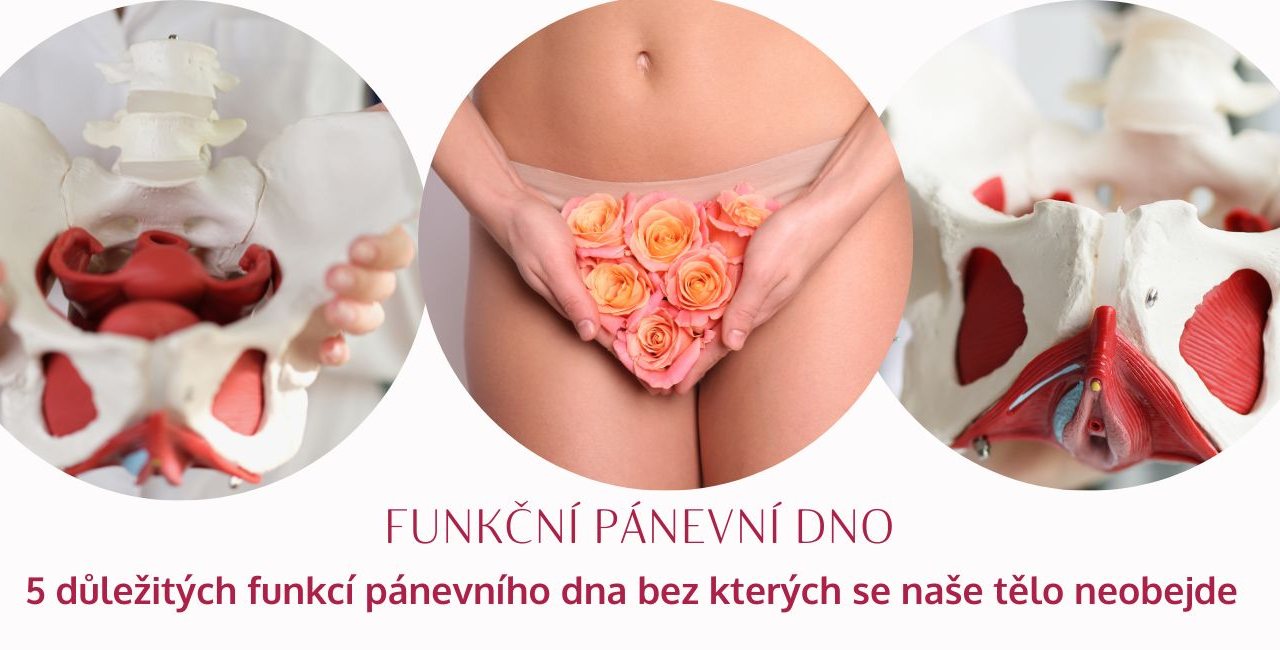
When everything is working correctly, we don’t give our pelvic floor a second thought. But the moment problems arise, it becomes a major issue, and we start scrambling for solutions.
The Pelvic Floor: A Key Part of Your True Functional Core
The pelvic floor is an integral part of the Deep Front Line, a fascial line that constitutes our body's true functional core.
The Deep Front Line is a 3D space that occupies the deepest parts of our body, providing profound stability and integrating that stability with our organ systems. Think of it as the core of an apple—it's central to everything.
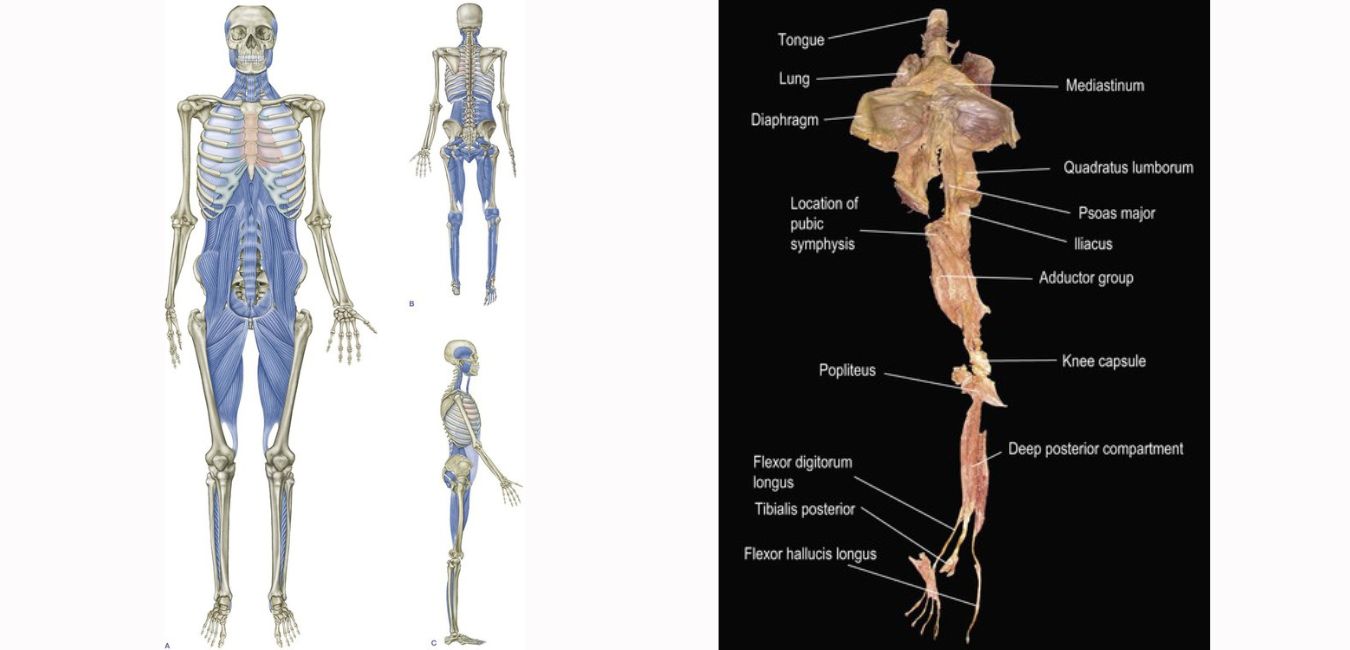
This line is a continuous network of muscles and fascia running from the soles of the feet, through the calves and thighs, up through the pelvic floor, hip muscles, and diaphragm, and all the way to the chewing muscles, the floor of the mouth, the tongue, and even the membrane separating the cerebrum and cerebellum. The pelvic floor is a critical component of this system. If it fails to function properly, the body begins to overload other areas, triggering a chain reaction of compensation and dysfunction. You can read more about the Deep Front Line here >>>.
Use It or Lose It
So, what exactly is the pelvic floor responsible for? Let's explore its primary functions.
The Four Core Functions of the Pelvic Floor
1. It Supports
These muscles form a supportive sling at the base of our pelvis. They bear the weight of our internal organs and, in coordination with surrounding muscles, stabilize the pelvis during standing and walking. During pregnancy, they also support the growing baby.
2. It Closes and Contains
The pelvic floor muscles reflexively and reactively absorb increases in intra-abdominal pressure—such as when you cough, sneeze, or laugh. When the bladder or rectum is full, these muscles must respond to maintain continence.
3. It Allows Entry and Receives
During sexual stimulation, the pelvic floor allows for the entry of the penis, and the vaginal opening can be voluntarily narrowed. Active, yet soft, pelvic floor muscles can also enhance stimulation for the penis.
4. It Releases and Opens
When the moment is right, the pelvic floor relaxes and opens to allow for the release of urine and stool. It also expands significantly during childbirth.
The Balance of Strength and Flexibility
To perform all these tasks effectively, the pelvic floor needs to be not only strong but also flexible.

Imagine the pelvic floor as a trampoline. If it's stretched too tightly, you can't bounce on it. A hypertonic, or overly tight, pelvic floor cannot lift or move properly, preventing it from fulfilling its duties.
Optimal pelvic floor function depends on an aligned spine. Slumped or poor posture creates excessive downward pressure on the pelvic floor. Similarly, stiff hip joints and tension along the inner thighs will also negatively impact its function. As mentioned, the pelvic floor is part of your body's true core, which I discussed in detail in this article >>>.
The Pelvic Floor's Team: The Foot, Diaphragm, and Tongue
The pelvic floor doesn't work in isolation. It coordinates with the arches of the feet, the diaphragm (our primary breathing muscle), and the tongue.
During an inhale, the diaphragm descends and expands the lower ribcage in all directions. This increases pressure in the abdominal cavity, which helps stabilize the lumbar spine. With a functional abdominal wall, the pelvic floor slightly descends while still maintaining its crucial support for the abdominal organs.
During an exhale, the diaphragm rises, and the pelvic floor should rise with it, as the abdominal wall gently contracts.
The Role of Fascia
The pelvic floor is interwoven with a significant amount of fascial tissue. While this provides essential stability, it can also limit flexibility.
The fascia of the pelvic floor can become overstretched, especially in individuals with a genetic predisposition to weaker connective tissue (hypermobility), making it more susceptible to pressure. This can be exacerbated by poor posture, chronic coughing, heavy lifting, and other detrimental movement habits you can learn about here >>>. Childbirth can also cause the fascia to tear.
Conversely, fascia can become "matted" or adhered, leading to immobility and pain. You can learn more about the connection between fascia and pain here >>>.
Tags
#back pain#fascia#functional core