Back PainFasciaFunctional CoreIncontinenceKnee HealthHip Health
10 Reasons You Should Start Foam Rolling Today
20. ledna 2022
7 min read
Updated 4. 6. 2026
MF
Martina Fallerová
Movement & Wellness Expert

Once you try a foam roller, you’ll fall in love. I don’t know of any other tool that is so versatile. A foam roller is one piece of equipment that will never gather dust in your home. In fact, my clients usually keep theirs right in front of the television.
I was first introduced to the foam roller about 17 years ago and was immediately captivated by its potential. It offered incredible possibilities for self-massage, facilitated stretching, effective and intense exercise, and balance training that works wonders for correcting imbalances.
At the time, there was very little information in the Czech Republic on how to use a foam roller. That's why I drew most of my experience from the USA, where they were far more advanced in this area.
Later, I incorporated insights from Dr. Robert Schleip, who leads fascia research at the University of Ulm. He is a regular presenter at the Prague Fascia Congress, which I attend every year. I also integrated my experience from Rolfing—a specialized massage technique that releases and un-glues the fascial network in our body—into my self-massage methods.
A Brief History of the Foam Roller
The foam roller’s origins lie in physiotherapy. Dr. Moshe Feldenkrais, founder of the method that bears his name, used wooden rollers in his practice with clients. It wasn't until his stay in the United States in 1972 that he was introduced to foam rollers.
Mike Clark, an American physiotherapist for professional athletes and Olympians, was instrumental in bringing the foam roller into the mainstream for athletes and physical therapists. Clark advocated for using the foam roller for self-therapy to release unwanted muscle tension. His goal was to give large groups of athletes access to affordable soft tissue therapy.
Initially, Clark recommended the foam roller solely for acupressure purposes. He prescribed its use for his athletes and patients to apply pressure to sensitive muscle areas. These tender spots are known by various names, such as trigger points or areas of higher muscle density.
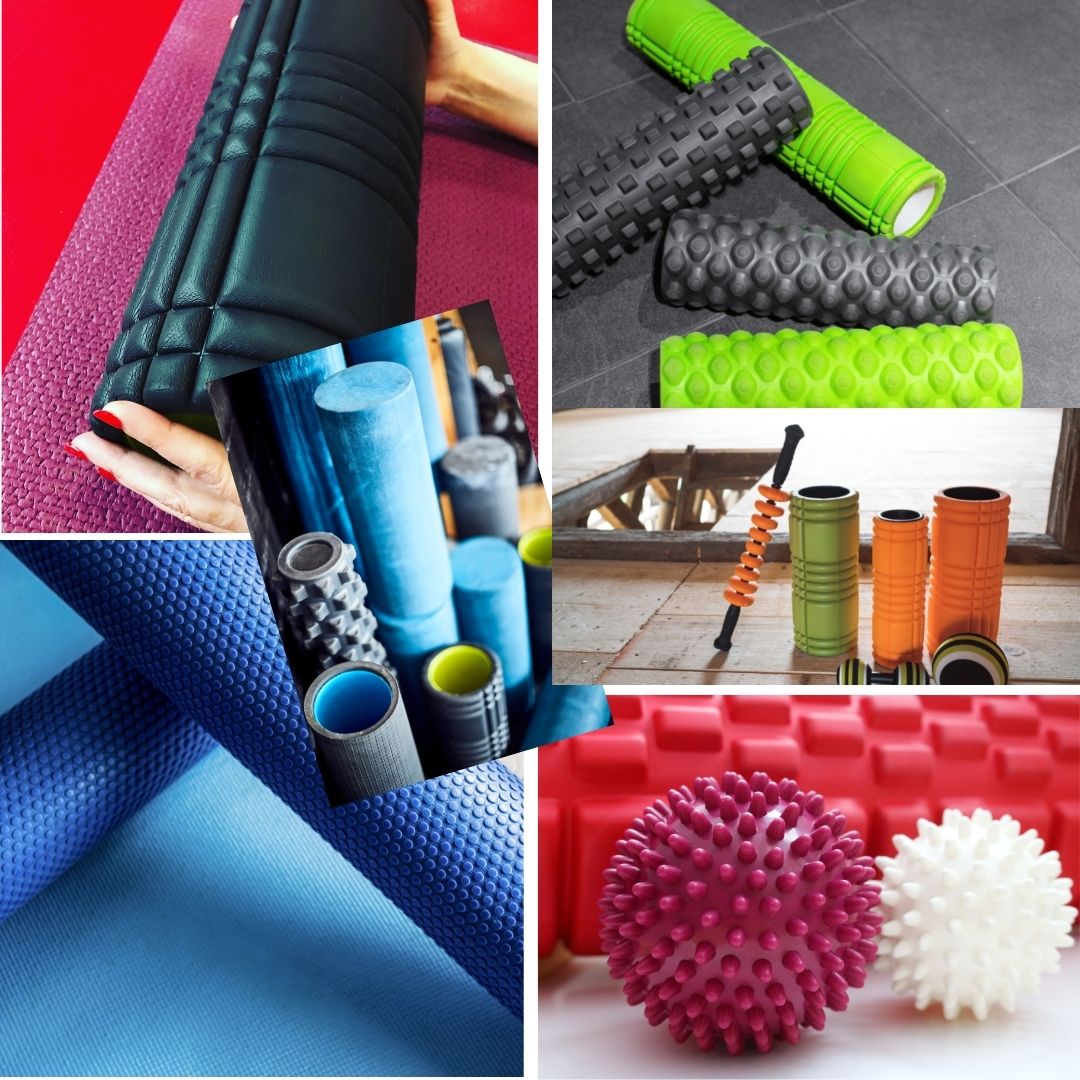
Over time, the use of the foam roller evolved from acupressure to self-massage, and eventually into an exercise and balance tool. Today, the market is filled with many types of foam rollers, differing in size, hardness, and texture. Other massage tools have also become popular, from spiky balls to various other shapes.
Why Technique is Everything
Every body is different, and each part of the body requires a different amount of pressure and a different tool. The technique of self-massage is also crucial for the rolling to be effective. For example, the technique I use to activate and increase blood flow to muscles before a workout is different from the one I use to release and un-glue muscle and fascial tissues afterward.
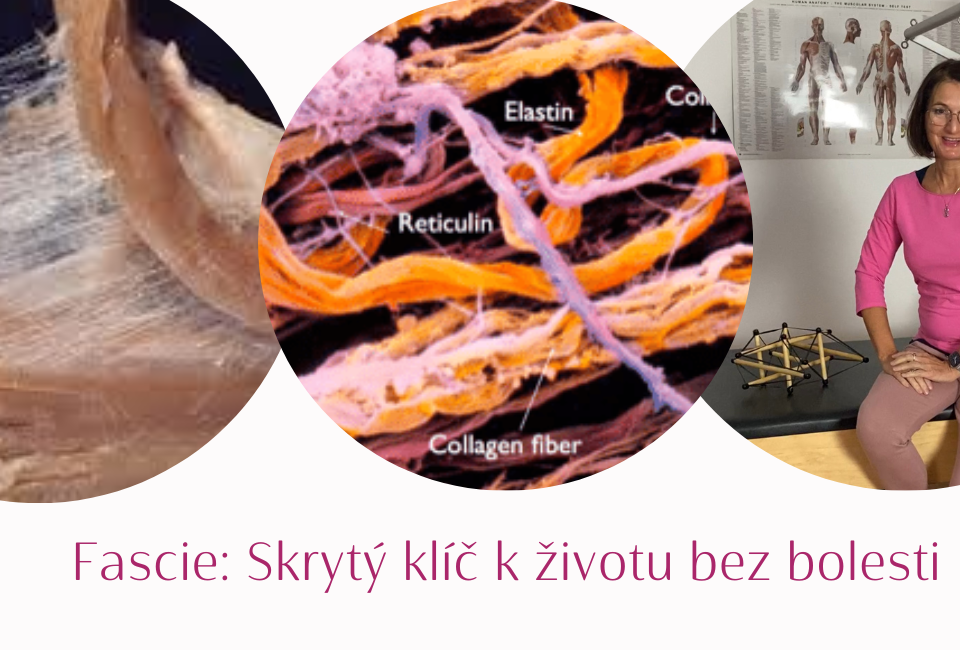
I often see incorrect technique on social media. It's important to realize that the fascial network has a different fiber direction than muscles. So, if I only roll or use a spiky ball in the direction of the muscle fibers, I might release some muscle tension and clear out metabolic waste from exercise, but I won't release and un-glue the fascial network. It's precisely this constricted fascial network that compresses the muscle, preventing it from working efficiently and receiving proper blood flow.
A key advantage of these self-massage techniques is the release of tight areas, especially around insertions, which are often hard to reach with conventional stretching. During a typical stretch, we usually only lengthen the elastic part of the muscle, while the stiff, tight areas remain largely unaffected.
10 Reasons to Start Using a Foam Roller
-
Targeted Release: It releases and un-glues tight spots in our body, thereby increasing the elasticity and glide of the entire muscle and fascial chain. When we have stiff and adhered tissues, other areas are forced to overstretch, which can irritate the receptors that monitor muscle tension and length. The body may interpret this as a threat, resulting in pain. Releasing these structures is essential for free and efficient movement.
-
Nerve Health: Up to 80% of our nerve endings are located in the fascia. Stiff and adhered tissues can irritate these nerves, pulling on them during movement. A common cause of lower back pain is tight hip joints. When hip mobility is limited, the movement is compensated for in the lumbar spine, which then becomes overloaded. The sciatic nerve also runs underneath the external hip rotators, and it can become irritated during movement.
-
Improved Circulation: It enhances blood flow and detoxification in the rolled area. This leads to a more efficient supply of nutrients and removal of waste products at the cellular level.
-
Mobility and Balance: It promotes the release of muscles and fascia, improving joint mobility and helping to restore balance to our musculoskeletal system as a whole. It helps eliminate muscle imbalances.
-
Relief for Growing Pains: Rolling the lower limbs can help children with growing pains. During growth spurts, bones often grow faster than the surrounding muscles, tendons, and fascia can adapt.
-
Thoracic Spine Release: It is an excellent tool for releasing stiffness in the thoracic (mid-back) spine.

-
Better Posture and Breathing: Lying on a foam roller makes it easier to find a neutral spine position. The pressure of our body weight against the firm surface of the roller helps to align our spine and promotes better breathing mechanics.
-
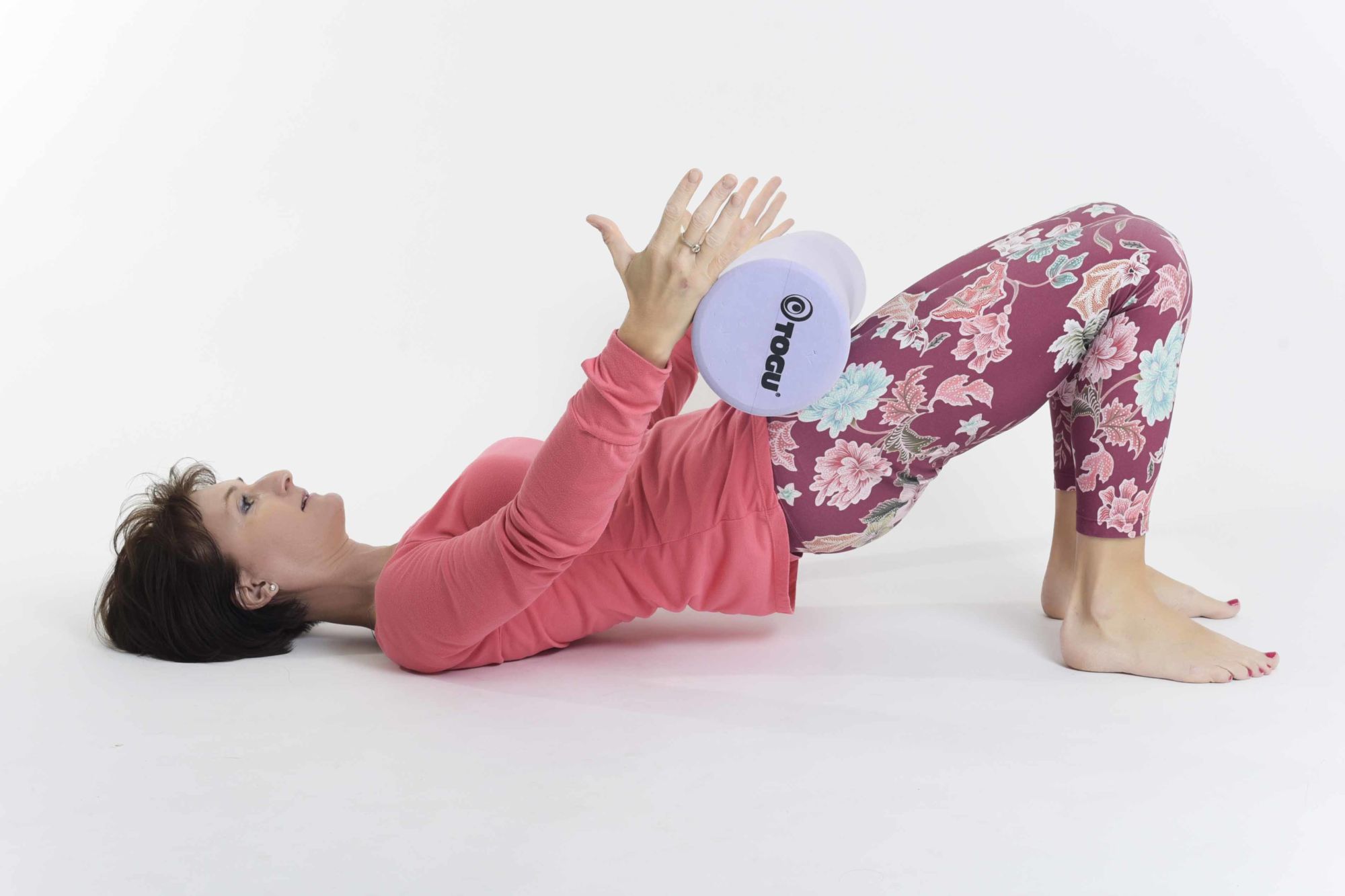
Balance Training: Lying on a foam roller is a balance challenge. Alternately lifting your legs, which simulates walking, trains your balance and corrects asymmetries in your body. You’ll quickly discover that each leg has a different level of stability. It’s a fantastic training tool for re-establishing equilibrium in your body.
-
Deep Core Engagement: Lying on the roller brilliantly engages the deep muscles around the spine. If you try to maintain balance by tensing your large, superficial muscles, you’ll fall. Gentle oscillation and slow, conscious movement are the keys to success. The deep muscle stabilizing system activates even before movement begins, acting as its shadow. This ensures stability through every phase of motion, which is exactly what we need in everyday life. It’s not about moving fast and then trying to find your balance.
-
Mind-Body Relaxation: Lying on the roller beautifully relaxes both the body and mind. Your thoughts become focused solely on your body and conscious movement. This allows your mind to unwind, even after a demanding day at work.
BONUS: A foam roller isn't just for rolling and lying on. It’s a fantastic exercise tool that helps you more effectively engage your abdominal and back muscles, making exercises both more fun and more intense.
A Tool for the Whole Family
I recommend a foam roller for every family. At our house, my sons and my husband all use it.
My husband ignored the foam roller for a full 10 years. The turning point came when he could barely walk one morning due to a stiff calf and Achilles tendon. He finally understood that if he wanted to continue enjoying his favorite sports, he couldn't do it without rolling and stretching. Now, it’s a regular part of his post-sport routine in front of the TV.
<figure>
<figcaption>
</figcaption>
</figure>
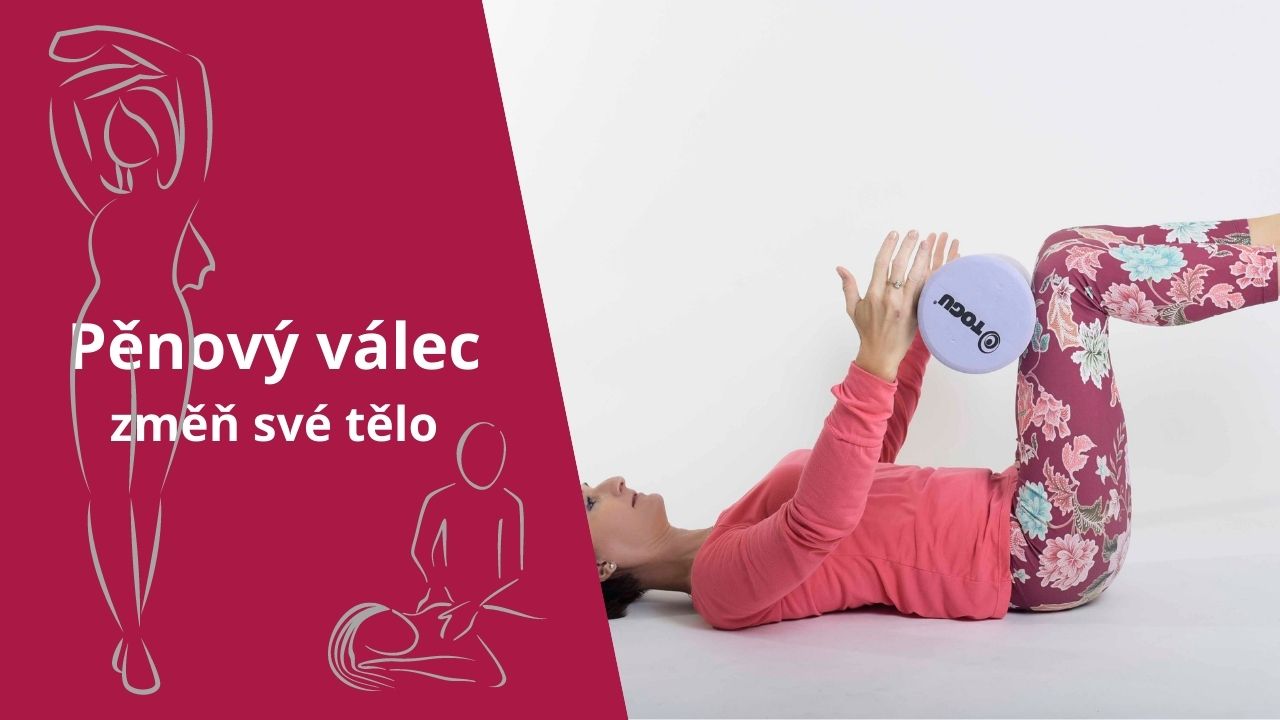
My sons also had to find their motivation first. Their leg muscles were so tight and short that it was taking a toll on their knees, preventing them from participating in their favorite sports. This often happens during growth spurts when bones grow faster than the surrounding tissues. The foam roller proved to be an excellent solution.
Thanks to my many years of personal and professional experience as a lecturer at the IQ pohyb academy, I have taught my self-massage techniques and exercise library to movement instructors and specialists in both the Czech and Slovak Republics.
Now, I have created a detailed guide for you, whether you're a beginner or a movement professional. In my e-books, you'll find everything described in detail, and with my online lessons, you can give your body the movement that heals.
I have also packaged everything into one bundle, so you can get it all at once for a great price.
<figure>
<figcaption>
</figcaption>
</figure>
Tags
#knee pain#hip pain#shoulder pain#back pain#diastasis recti#fascia#functional core