Uncategorized
Why Your Pelvic Floor Is the True Core of Your Body
15. listopadu 2019
5 min read
Updated 4. 6. 2026
MF
Martina Fallerová
Movement & Wellness Expert
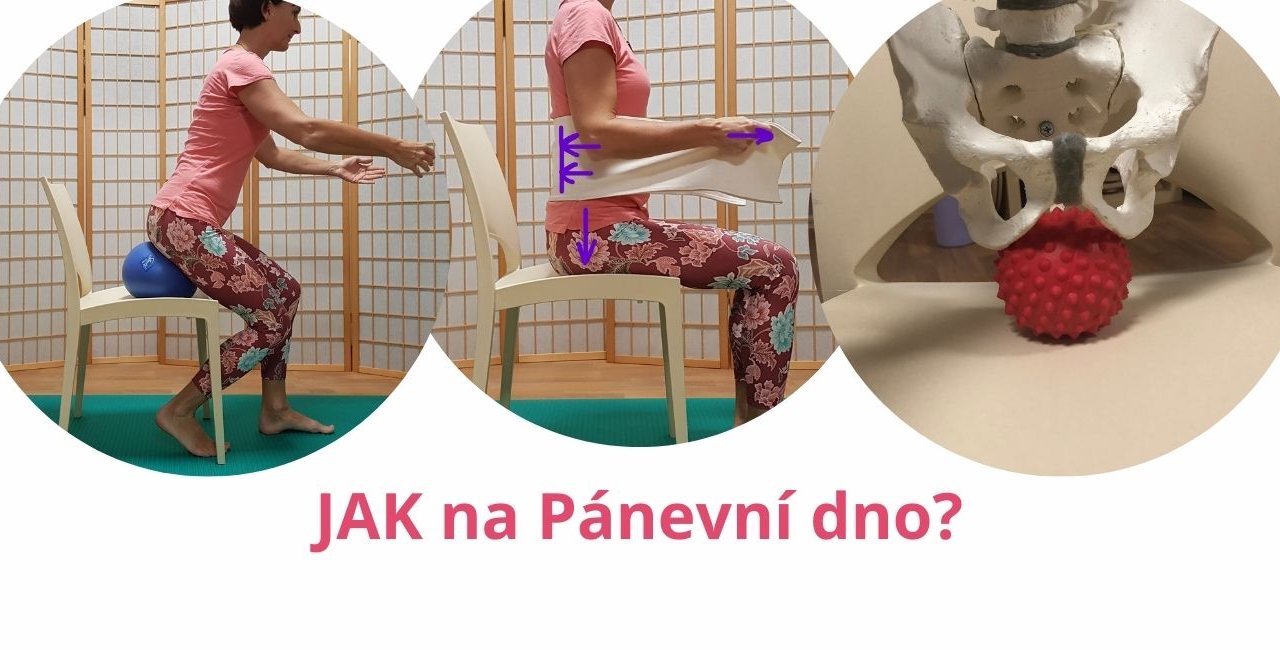
Experiencing Lower Back Pain, Incontinence, or Fertility Issues? It's Time to Focus on Your Pelvic Floor. I'll Show You How >>>
The pelvic floor holds a uniquely important position in our anatomy. Located at the very center of our body, its muscles are connected to the entire lower limb and the arch of the foot through long muscle chains. At the same time, they are directly integrated into the deep muscular stabilization system—the core muscles responsible for aligning and protecting our spine.
The pelvic floor is one of the body's primary "impulse centers," meaning every movement we make originates from this core area. Other such centers include the transverse arch of the foot, the circular muscle of the mouth, and the external hip rotators.
From a kinesiological perspective, the pelvic floor muscles work in concert with the diaphragm, abdominal muscles, and back muscles to create intra-abdominal pressure, which stabilizes and protects our spine. It also has a profound influence on our internal organs, as well as our urinary and reproductive systems.
The pelvic floor carries a heavy burden and must endure significant stress, yet we often neglect its care. For women, pregnancy and childbirth place enormous demands on these muscles. If they lose their firmness and elasticity, their crucial supportive, load-bearing, and sphincter functions for the bladder and rectum suffer.
Unfortunately, we usually only start paying attention to our pelvic floor when it begins causing problems and no longer provides a solid foundation for our pelvis. It fails to perform its supportive role because it has lost its necessary tension, or its sphincter function is no longer sufficient when we sneeze or jump.
For our mental well-being and self-confidence, it's vital that the foundation of our womanhood is perceived and felt as firm, strong, yet also elastic and reliable.
The pelvis and pelvic floor are the key for a woman to stand firmly with both feet on the ground, to strengthen her back, to hold her head high, and to express her personality with conviction. Contractions of the pelvic floor muscles release energies that ascend through subtle channels up the spine, spreading throughout the body, stimulating brain activity, and radiating out through the eyes. In this way, the pelvis enhances the vitality of the entire female organism.
Exercising the pelvic floor muscles also improves blood circulation to the vagina and uterus. The pelvis can also be a woman's most powerful erotic weapon. A freely moving, energized pelvis is an expression of a zest for life and an unbridled joy in one's own body.
A relaxed pelvis is a strong and supportive one. When a woman becomes aware of her pelvis, she behaves more openly and confidently with men and expresses her femininity and sexuality more directly and naturally.
With support from the pelvis, the torso straightens, thoughts become clearer, and a woman is able to face the world with her head held high.
If a woman is unable to get pregnant, she should focus on mobilizing her pelvis, working with her breath and pelvic floor, and aligning her body. In my practice, several clients have become pregnant by doing just this, avoiding the need for a reproductive medicine clinic like I once visited 24 years ago.
You can learn HOW to do all this in my e-book, The Pelvic Floor: The Essential Center of Our Body - Find it HERE >>>
What Negatively Affects Your Pelvic Floor?
A number of factors can contribute to a weakened or dysfunctional pelvis and pelvic floor:
- A sedentary lifestyle
- Being overweight
- Constant, extreme strain on these supportive muscles from lifting heavy loads
- Persistent, forceful coughing
- Chronically difficult breathing (e.g., from bronchitis, asthma)
- Recurrent bladder or urinary tract infections
- Stress
- Over-exercising the pelvic floor without subsequent relaxation
- Damage during childbirth
- Gynecological surgeries
- Weakness in connective tissue, which can be caused by hormonal imbalances during menopause
- Breast cancer
- Prostate cancer
- Urinating "just in case" or preventively
- Not drinking enough water, as highly concentrated urine irritates the bladder
Signs of a Dysfunctional Pelvic Floor
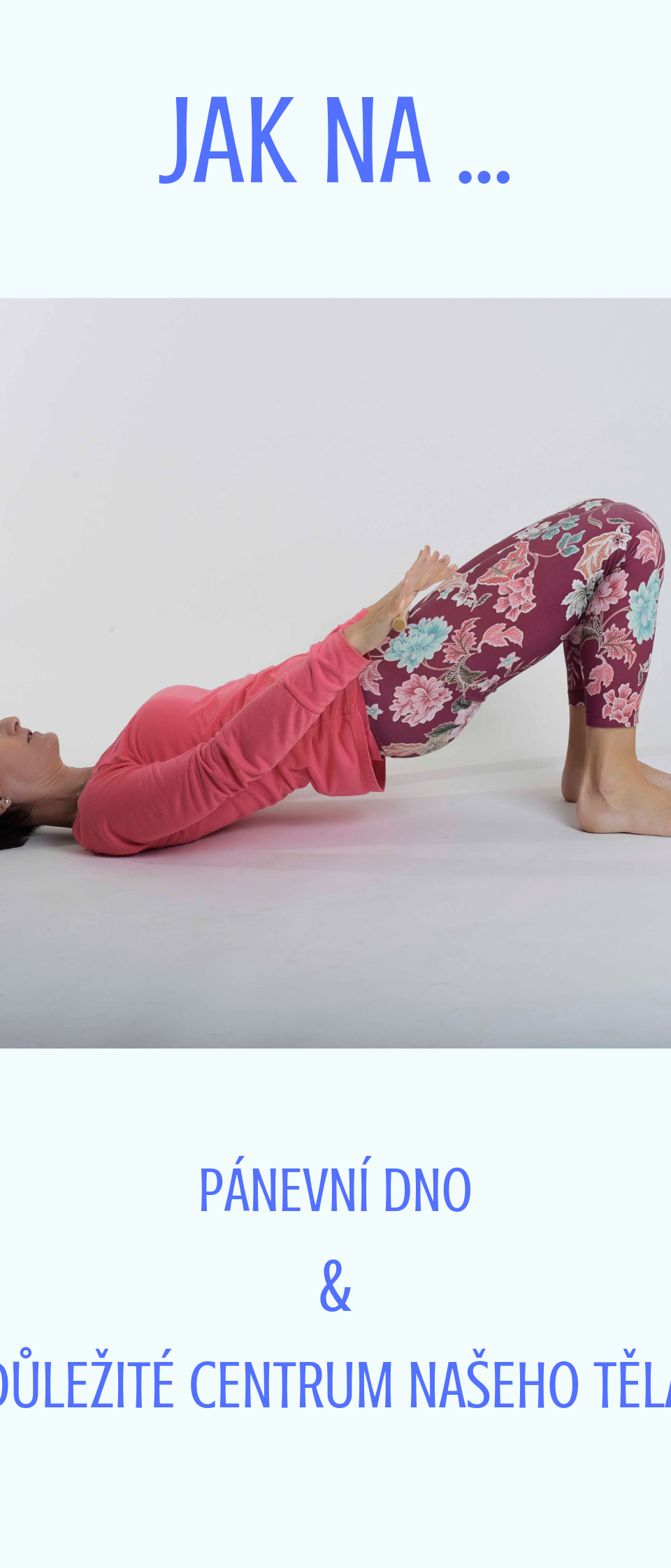
A poorly functioning pelvic floor can lead to a wide range of issues, including:
- Back or hip pain
- Tailbone pain
- Pain or blockage in the sacroiliac (SI) joint
- Prolapse of internal organs
- Incontinence
- Infertility
- Painful sexual intercourse
- Constipation
There’s no reason to wait any longer. I have a step-by-step guide for you - check it out HERE >>>
A dysfunctional pelvic floor affects our entire body. If we want to eliminate the root cause of our problems once and for all, it's essential to focus on the whole body. I don't believe in half-measures. That's why I created the unique online video course RESTART YOUR BODY.
I also recommend reading my newer article, STRUGGLING WITH INCONTINENCE?