Say Goodbye to Knee Pain for Good: A Practical Guide
15. dubna 2023
6 min read
Updated 4. 6. 2026
MF
Martina Fallerová
Movement & Wellness Expert
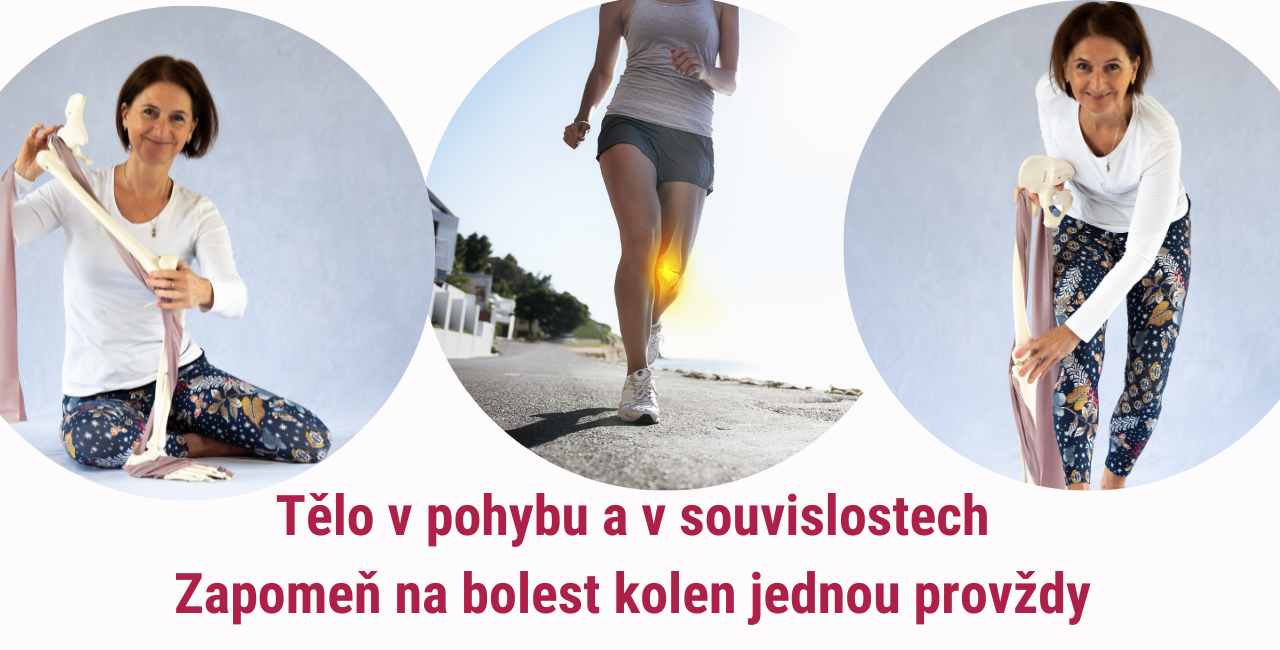
With the FASPO therapeutic movement system, you can return to an active lifestyle without debilitating knee pain. Reclaim your freedom of movement.
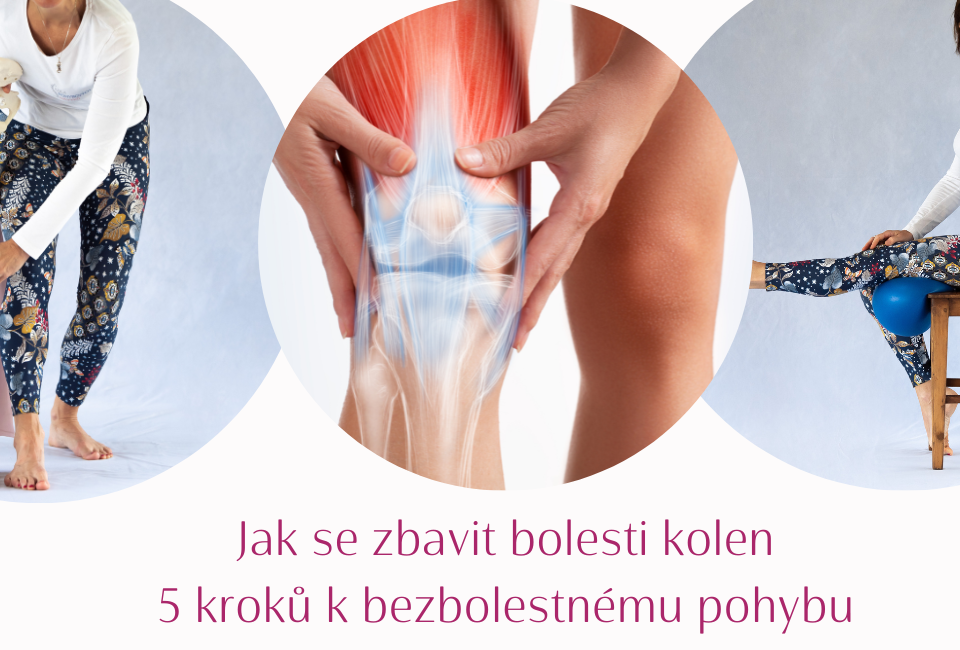
When our knees start to act up, it's hard to ignore them. The pain restricts our movement, we start to compensate, creating new problems elsewhere in the body, and we give up the activities we once loved.
But what if I told you that there's a simple and natural way to get rid of these problems and return to the active lifestyle you miss?
A way without painful and expensive surgeries, without ineffective medications, and without limiting your movement.
The FASPO system has helped me, my family, and many of my clients restore knee function and get back to moving freely.
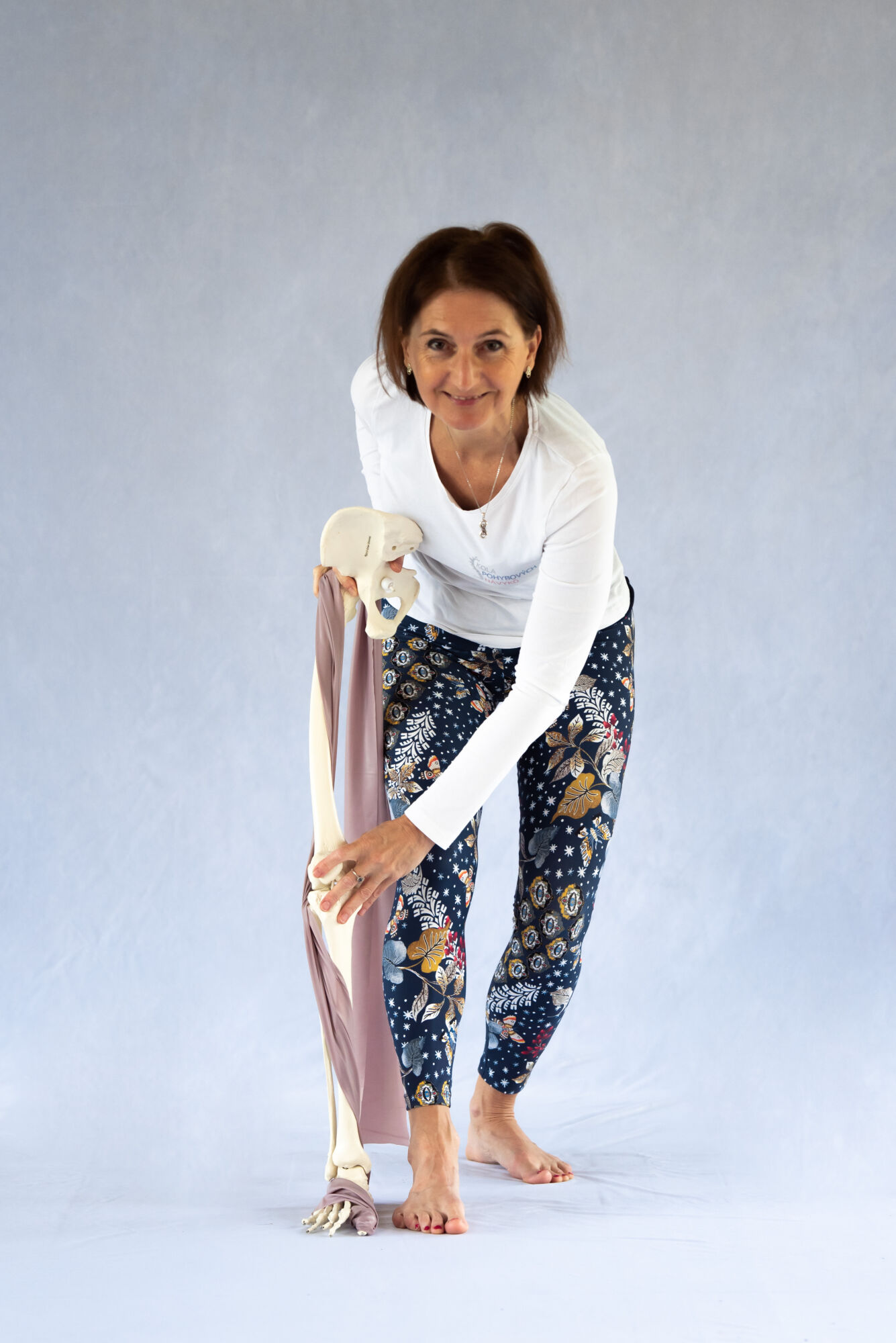
With my approach, you can play sports, dance, and go hiking again, enjoying time with family and friends.
Perhaps you've already tried numerous exercises and therapies, but so far, nothing has led to lasting success.
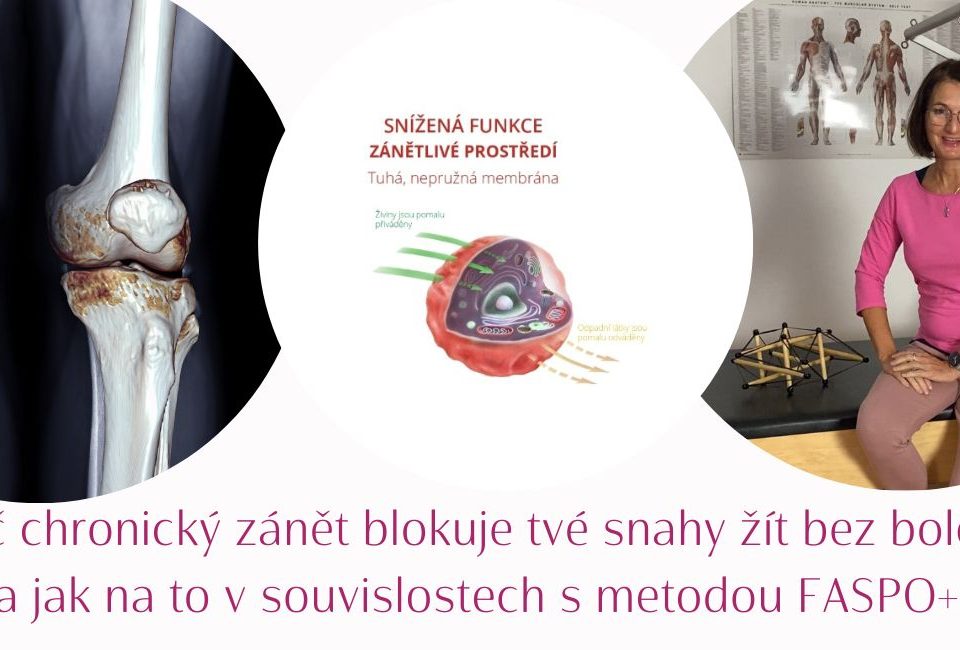
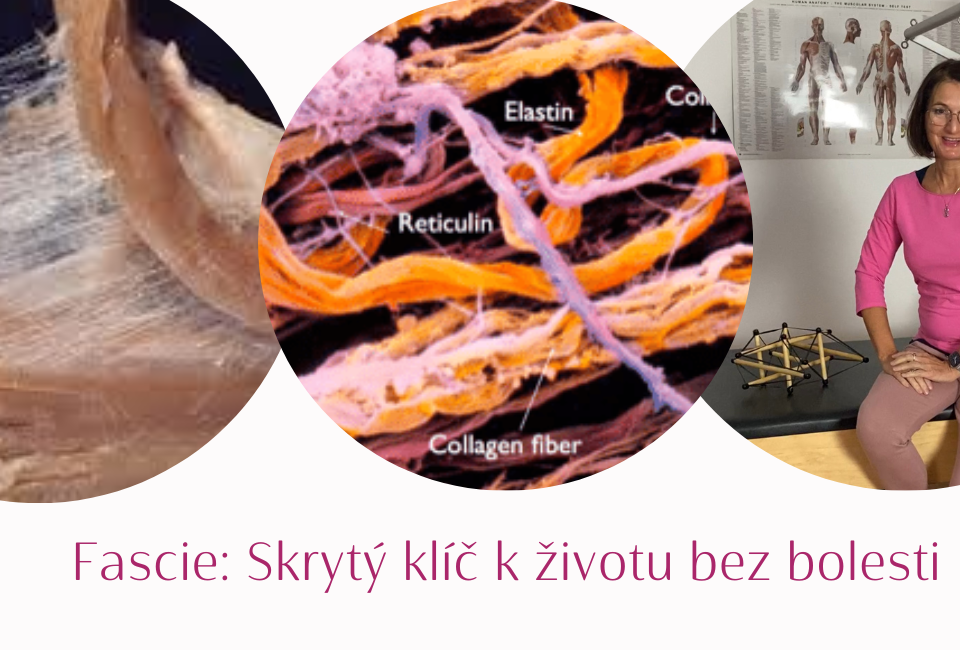
Well, maybe it wasn't a truly holistic therapy focused on the knee. The root cause of knee pain can often be found somewhere else entirely, thanks to our interconnected fascial tissue.
All of my clients with knee issues have seen improvement after my therapy. This includes a client with grade 4 osteoarthritis who now goes ski touring and skiing in the winter.
For therapy to be effective, it must be comprehensive. For me, this means:
-
Releasing Tissue Tension: Using self-massage Rolfing techniques to release tension, tightness, and adhesions in the tissues and fascia of the entire lower limb. Inelasticity and stuck layers of tissue create pulls on attachment points—in this case, the knees—which then signal pain.
-
Strategic Stretching: Stretching the posterior, anterior, lateral, and medial sides of the lower limbs to balance the forces acting on the knee and allow the leg to straighten properly. Even something as simple as shortened hamstrings can wreak havoc on the knee, and the same goes for other muscle groups. This is addressed individually for each person.
-
Strengthening Attachments: Strengthening the muscle and tendon attachments around the knee. I often find—almost always with knee pain—that these attachments are not functioning correctly. People may have tight, strong thigh muscles, but the attachments that stabilize the joint aren't working. Attention must also be paid to foot function and the hip joint. From the hip, we connect to the pelvic floor, lower back, and diaphragm. The entire body needs to be brought back into proper function.
-
Correcting Movement Habits: Analyzing how a client uses their lower limbs throughout the day—during walking, standing, sitting, lying down, and even sleeping. The root cause of the knee problem is often hidden in these daily patterns, and it's essential to identify and correct them.
Only by following this comprehensive process can true relief be achieved.
So why wait and continue to suffer? Join my satisfied clients and start your journey toward healthy knees today with the online course "Restart Your Body."
I also discussed KNEES IN CONTEXT during a live broadcast in my Facebook group, where I answered questions from the community. You can watch the recording on my YouTube channel HERE.
<figure>
<a href="https://www.youtube.com/live/CvDj-g1ddvc?feature=share">
<img src="images/covery-videi-4-1024x576.png" alt="YouTube video thumbnail for a talk on knee pain">
</a>
<figcaption>
<a href="https://www.youtube.com/live/CvDj-g1ddvc?feature=share">Watch the full video on YouTube</a>
</figcaption>
</figure>
My Lecture on the FASPO System
I had the opportunity to speak about the FASPO therapeutic movement system at the Yoga&Fyzio Fest.
The lecture was a success, and I promised to record it. It's now available on my YouTube channel here >>>.
<div class="video-container">
<iframe width="560" height="315" src="https://www.youtube.com/embed/NZrh-TMdEO0" title="YouTube video player" frameborder="0" allow="accelerometer; autoplay; clipboard-write; encrypted-media; gyroscope; picture-in-picture" allowfullscreen></iframe>
</div>
The lecture was followed by a practical session where attendees could experience working with the fascial system on their own bodies.
The practical session was also recorded and is available here >>>
<div class="video-container">
<iframe width="560" height="315" src="https://www.youtube.com/embed/QbYfW3SCLpQ" title="YouTube video player" frameborder="0" allow="accelerometer; autoplay; clipboard-write; encrypted-media; gyroscope; picture-in-picture" allowfullscreen></iframe>
</div>
They say that movement is medicine. For our knees, this is doubly true.

I've discovered that ski touring is a fantastic, meaningful activity, even for people with knee problems (though it might be wise to take the cable car down).
Here's why it works so well:
-
Proper Alignment: The lower limbs are centered in the line of the 2nd toe - knee - hip. The rigid boot and ski guidance force proper alignment, even for those who typically walk with their feet turned out and knees collapsing inward.
-
Gliding Motion: When ascending, the legs don't lift; they glide across the snow, which is a low-impact movement.
-
Hip Flexor Stretch: The stride is longer than in everyday life, which stretches the hip flexors—a muscle group that is notoriously tight from our sedentary lifestyles.
-
Knee Stabilization: During the push-off phase, the muscles and tendons around the knee are finally activated, which strengthens and stabilizes the joint. In daily life, this activation rarely happens, which is why the muscular corset around the knee often doesn't function for most people. They are then surprised when knee problems develop. (Learn more in my free e-book: DISCOVER WHY YOUR KNEE HURTS).
-
Posterior Chain Stretch: The push-off motion also stretches the entire back of the lower leg, including the calf and Achilles tendon. The steeper the hill, the greater the stretch. The bindings have adjustable heel lifts, but even with them, a good stretch is achieved.
-
Pelvic Mobility: The longer stride mobilizes an otherwise stiff pelvis, which has an excellent effect on the pelvic floor.
-
Core Engagement: The back panel of your backpack (if you've learned from me in the School of Movement Habits) serves as support for the lumbar spine during leg movement. This means you don't hyperextend your lower back as your legs move—and lo and behold, your abdominal muscles engage.
-
Upper Body Activation: The range of motion for the arms is also much greater than during a normal day. You fully extend your arm backward and straighten your elbow (if you shorten your poles and ignore the standard size charts). This finally activates the triceps, stretches the biceps, and gets the lymph flowing in the upper limbs.
-
Spinal Rotation: Arm movement happens in opposition to leg movement, which mobilizes a stiff thoracic spine into counter-rotation with the pelvis. This, in turn, activates the spinal rotators and oblique abdominal muscles.
Now tell me, isn't that a truly brilliant form of movement?
Tags
#knee pain#fascia#movement therapy#holistic health#FASPO system#pain relief