Back PainFasciaShoulder HealthMovement Education
Your Ultimate Guide to Healthy, Mobile Shoulders
14. prosince 2019
8 min read
Updated 4. 6. 2026
MF
Martina Fallerová
Movement & Wellness Expert
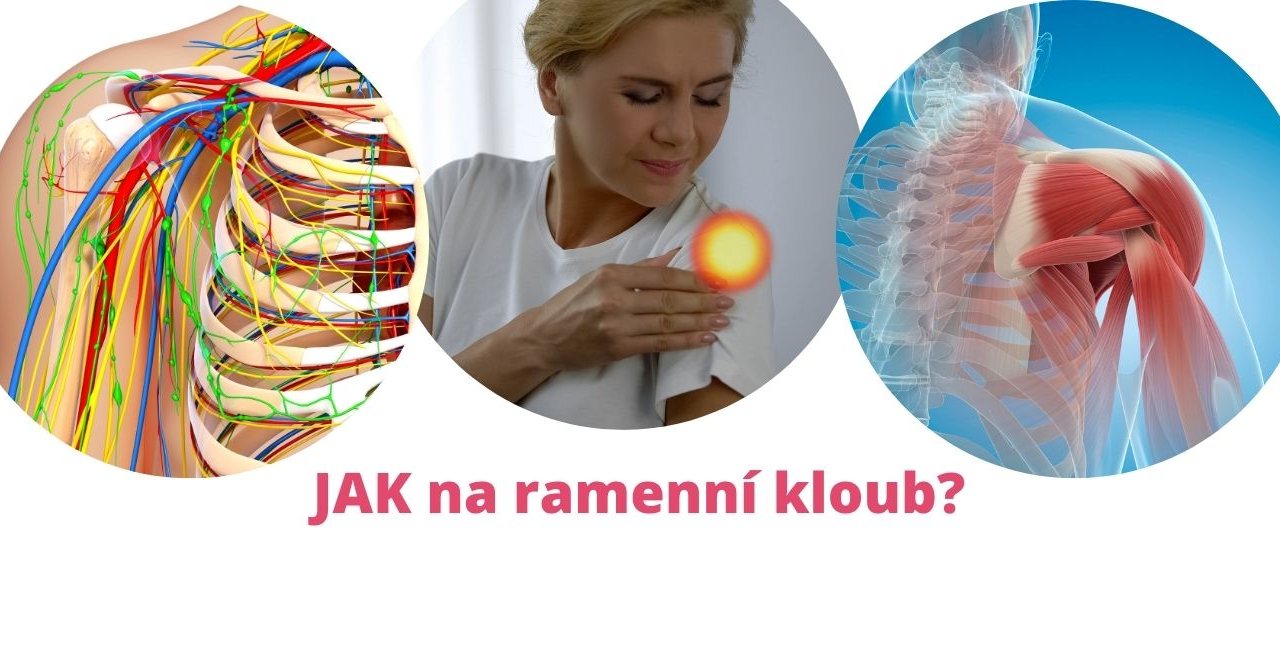
A properly aligned shoulder joint is the key to an upright upper spine and a pain-free neck. In fact, we can't truly resolve issues like tennis elbow or carpal tunnel without a centered shoulder joint. Learn HOW to fix it >>>
Through the course of evolution, we transitioned from supporting ourselves on four limbs to standing upright on two—our lower limbs. This freed up our other two limbs—the upper limbs—to interact with our environment, perform work, and manage our personal care. In quadrupeds, the chest was narrow and deep, with the shoulder blades positioned on the sides. With our transition to an upright posture, the chest widened, the shoulder blades shifted to the plane of the back, and the shoulder socket moved to the sides of the body. This adaptation dramatically increased the range of motion of our arms.
When a baby is born, its chest is still deeper than it is wide, with shoulder blades on the sides, to facilitate passage through the birth canal. Through movements like reaching, waving, pushing up during tummy time, and eventually crawling on all fours, the rib cage develops its width, and the shoulder blades migrate from the sides of the body to their proper position on the back. The alignment of our spine is crucial for the correct positioning of the shoulder blades. Without an upright posture, proper function of the scapula and shoulder joint is impossible.
The shoulder joint connects the hand and arm to the torso and pelvis, and it faces enormous demands. It requires a unique combination of extensive mobility, strength, and stability. Compared to the hip joint, which has less mobility but far greater support from bones, ligaments, and muscles, the shoulder joint is remarkably fragile. Its function is entirely dependent on the coordinated action of all the surrounding muscles. These muscles should form a balanced "spiderweb" that keeps the shoulder joint perfectly centered.
Why Modern Lifestyles Wreak Havoc on Our Shoulders
In today's sedentary world, our bodies often collapse like a house of cards, leading to a surge in shoulder problems.
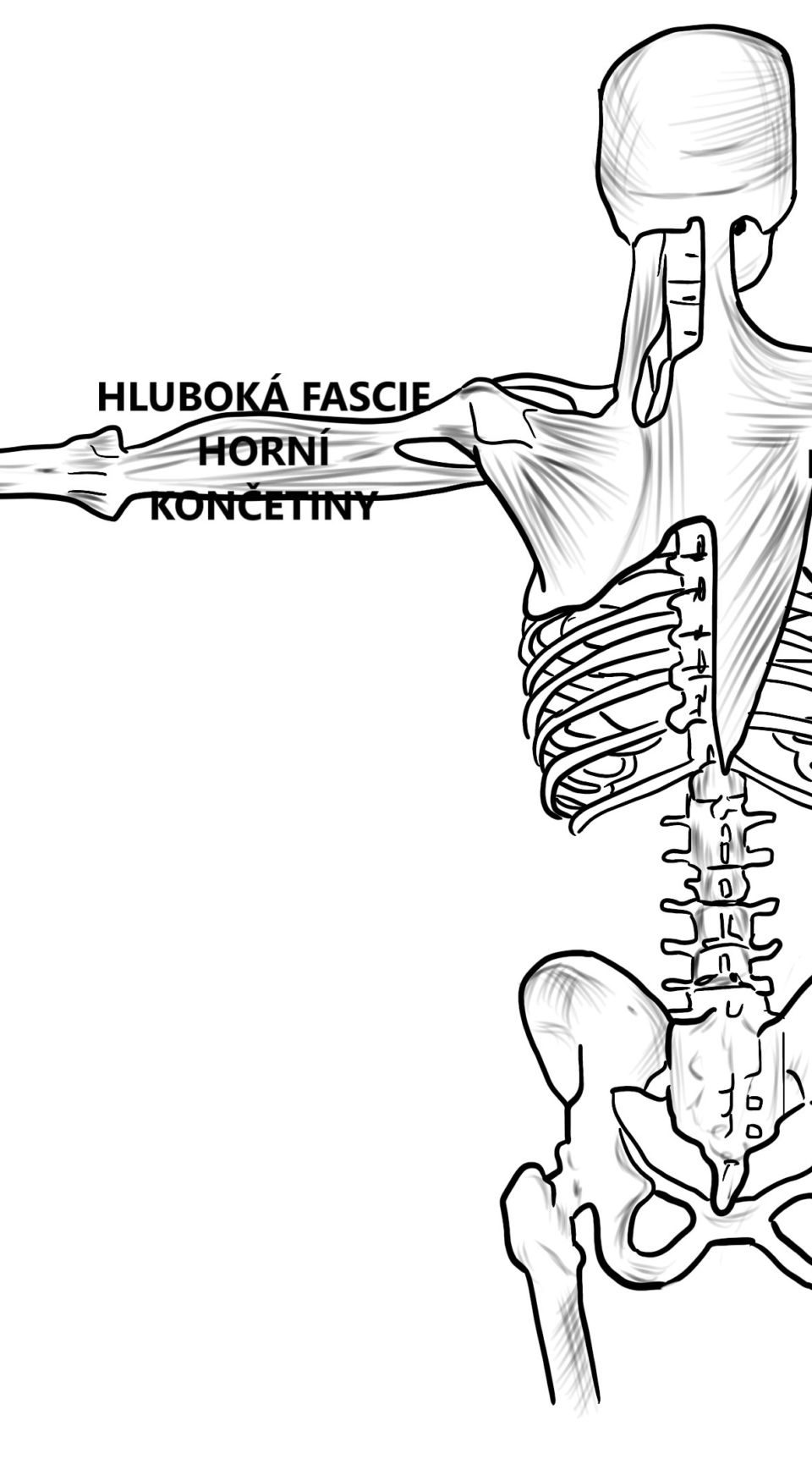
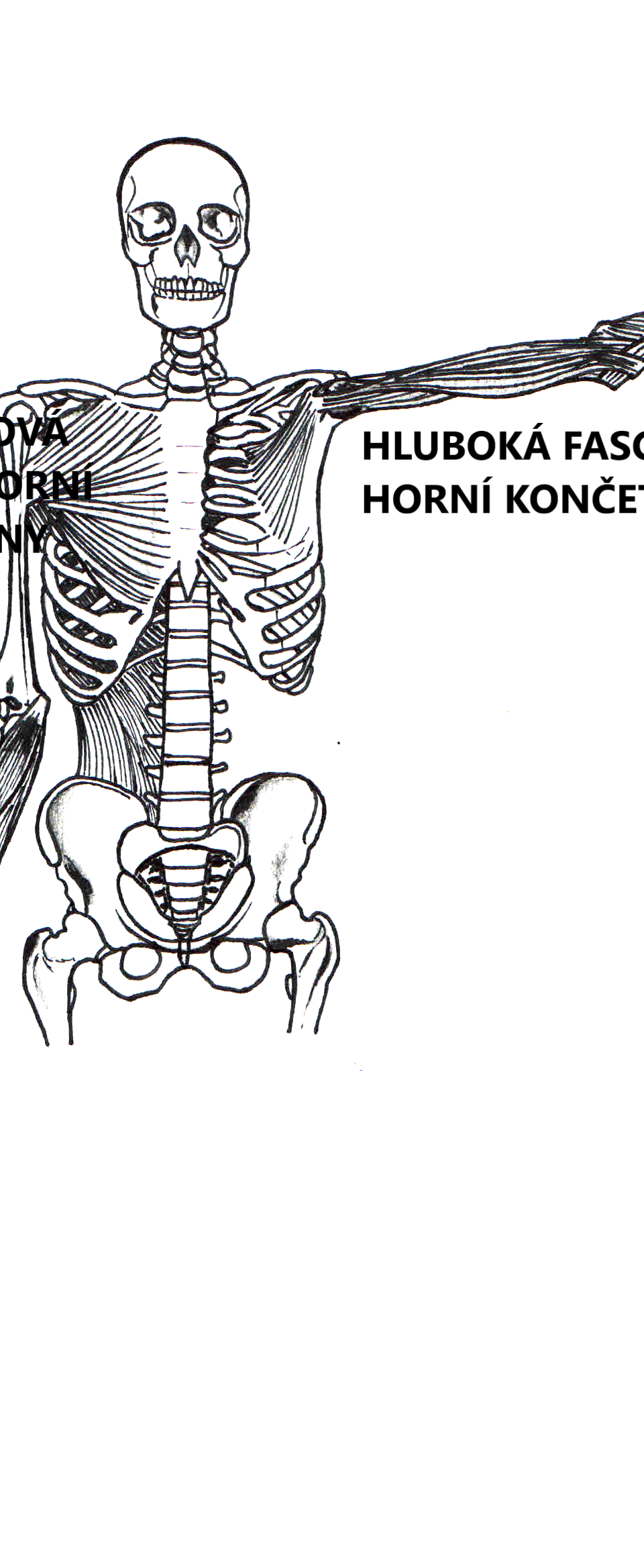
The images above illustrate the fascial connections linking the hand → arm → shoulder → head → chest → pelvis. In our bodies, everything is interconnected. This highlights a fundamental rule: the problem is often not where the pain is; we need to look at the entire body as a whole. Poor posture can directly impact the shoulder joint, leading to issues like carpal tunnel syndrome, elbow pain, and neck problems.
Let's get to know our shoulders better. Understanding their structure will help us be more mindful of our movements and recognize which positions and activities are harmful or beneficial.
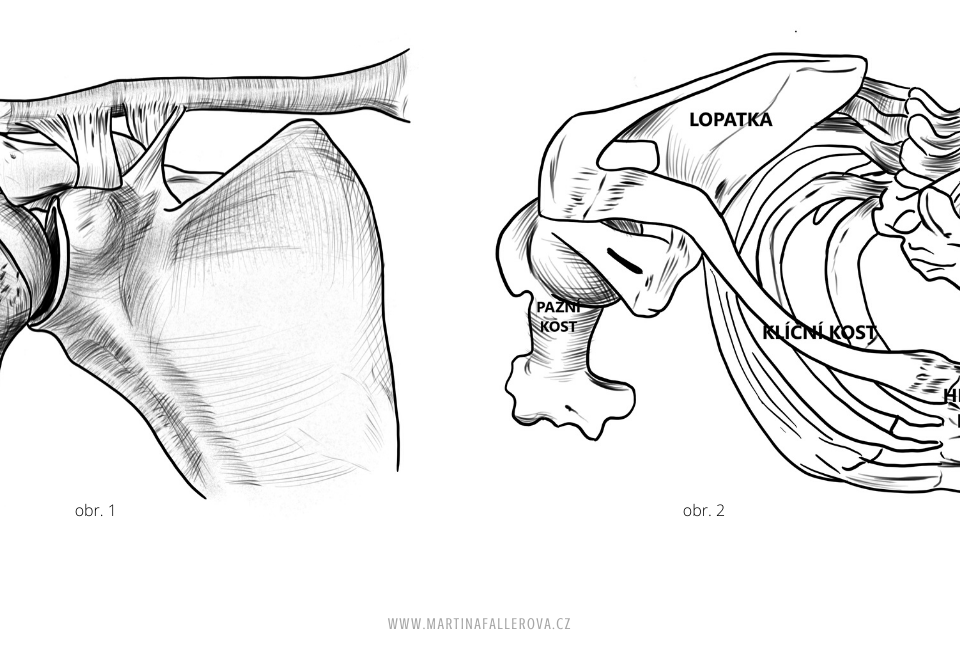
The shoulder joint is the meeting point of the clavicle (collarbone), scapula (shoulder blade), and the head of the humerus (upper arm bone). The socket for the head of the humerus is located on the side of the scapula and is very shallow, which is a primary reason the shoulder is so prone to problems. The joint connecting the clavicle to the sternum (breastbone) is the only place where the shoulder girdle is anchored to our skeleton. This design makes the shoulder inherently unstable and highly dependent on the proper function of all surrounding muscles. Imagine the scapula suspended in a web of muscles; for it to remain centered and functional, all those muscles must work in perfect harmony. If one muscle is weak and another is tight, the scapula is pulled out of position, compromising the function of the entire arm and setting the stage for future problems.
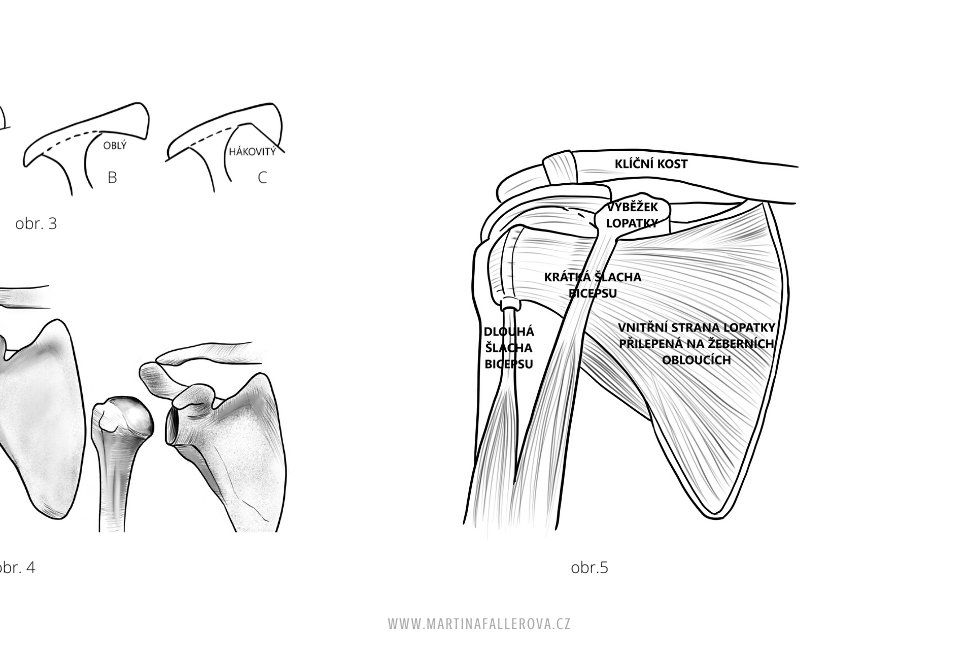
Another potential issue is the shape of the acromion (see figure, part 3). The tendons of two muscles (the long head of the biceps and the supraspinatus muscle) pass under the ligament connecting the acromion and the coracoid process. If the scapula is poorly positioned, and this is combined with a long-term faulty movement pattern and an acromion of shape B or C, it's a recipe for disaster. The tendons of the aforementioned muscles don't have enough space and can become pinched or irritated during arm movement, leading to inflammation. This common problem is known as IMPINGEMENT SYNDROME.
Key Muscles of the Shoulder: A Complex Tug-of-War
On the Front Side:

A dominant muscle on the front of the shoulder is the PECTORALIS MAJOR (figure 6). It runs from the rib cage (where it meets the rectus abdominis), the sternum, and the clavicle. These three parts twist and attach to the humerus. This muscle is primarily responsible for arm movements and forms the anterior fold of the armpit. Hidden beneath it is the PECTORALIS MINOR (figure 7), which runs from the ribs to a bony prominence on the scapula (the coracoid process). This small muscle moves the scapula, pulling it up and forward. It is very often tight, causing numerous problems with the shoulder joint. Its attachment point on the scapula is shared with a muscle from the inner side of the arm and the short head of the biceps, which originates on the inner forearm below the elbow crease.
The BICEPS is crucial for nearly all human activities. The long head of the biceps originates from the outer side of the arm, and its tendon passes through a groove in the head of the humerus, enters the joint, and attaches inside the shoulder socket (as mentioned in the context of impingement syndrome). The biceps is responsible for all movements at the elbow: bringing a hand to the mouth to eat or drink, holding a steering wheel, using a computer, carrying items, climbing, and more. This list makes it clear that the biceps is constantly engaged in modern life. If the bony components of the shoulder joint are not correctly aligned, problems are almost inevitable.
If the muscles on the front of the shoulder and the biceps are tight, they can also compress the vascular and nervous systems of the entire upper limb, as shown in figures 3 and 4. This is why problems like carpal tunnel syndrome or elbow pain can originate from tight structures in the front of the shoulder.
On the Back Side:

A powerful muscle on the back is the LATISSIMUS DORSI. It extends from the pelvis, across the entire back and scapula, and attaches to the inner side of the humerus. If this muscle is tight, it can restrict the movement of the arm at the shoulder, or the movement of the arm can transfer stress into the back. This demonstrates that an inelastic latissimus dorsi affects both the back and the shoulder joint.
The TRAPEZIUS MUSCLE runs from the neck and thoracic spine to the scapula. The balance of its upward, middle, and downward pulls determines the position of the scapula.
The position of the scapula is also influenced by the LEVATOR SCAPULAE, which runs from the inner edge of the scapula to the skull. If it is tight, it pulls the inner edge of the scapula upward, causing the outer edge to drop downward, setting the stage for IMPINGEMENT SYNDROME.
The RHOMBOID MUSCLES pull the scapula toward the spine and upward. Their antagonist is the SERRATUS ANTERIOR, which attaches to the inner border of the scapula and wraps forward to the ribs. The balance of tension between these muscles determines whether our shoulder blades "wing" out or lie flat against the rib cage.
Deeper still, we find other muscles running from the scapula to the humerus. The head of the TRICEPS weaves between them and, together with the LATISSIMUS DORSI, forms the posterior fold of the armpit.
If the armpit area becomes "stuck" or adhered, and the tissues lose their elasticity and ability to glide, the muscles responsible for arm movement have to work much harder. We often feel this extra effort as pain in the shoulder joint. A restricted posterior armpit can also compromise the vascular and nerve supply to the upper limb, as shown in the diagram.
Your Shoulder Is Talking—Are You Listening?
As you can see, the shoulder joint is incredibly vulnerable, which is why we must take care of it. When it signals with pain, it's telling us that something is wrong. We should respect that signal and reflect on our movement habits. The solution involves a comprehensive approach: Release all tight tissues, muscles, and fascia, then recenter, strengthen, and stabilize the joint.
If the cause of pain is an injury, it requires a high-quality physical therapist and sufficient time for recovery. The shoulder joint regenerates slowly and needs ample time to heal.
If we ignore the pain and continue to overload the joint, the strain can progress to inflammation, where calcium deposits may form. These deposits can then irritate tendons or nerve fibers, worsening the problem.
Ready to Take Control of Your Shoulder and Neck Health?
I have a free e-book for you: FIND OUT WHY YOUR TRAPEZIUS MUSCLES AND CERVICAL SPINE ACHE - GET IT HERE >>>
You'll find the most effective exercises, movement habits, tips, and tricks in my e-book: THE ULTIMATE GUIDE TO A HEALTHY SHOULDER JOINT – LEARN MORE >>>
I have also created a dedicated online program specifically for this area: FIRST AID for Neck and Trapezius Pain. >>>