Back PainFasciaHealthy Movement
The Body in Motion: Understanding the Connections
4. února 2023
13 min read
Updated 4. 6. 2026
MF
Martina Fallerová
Movement & Wellness Expert
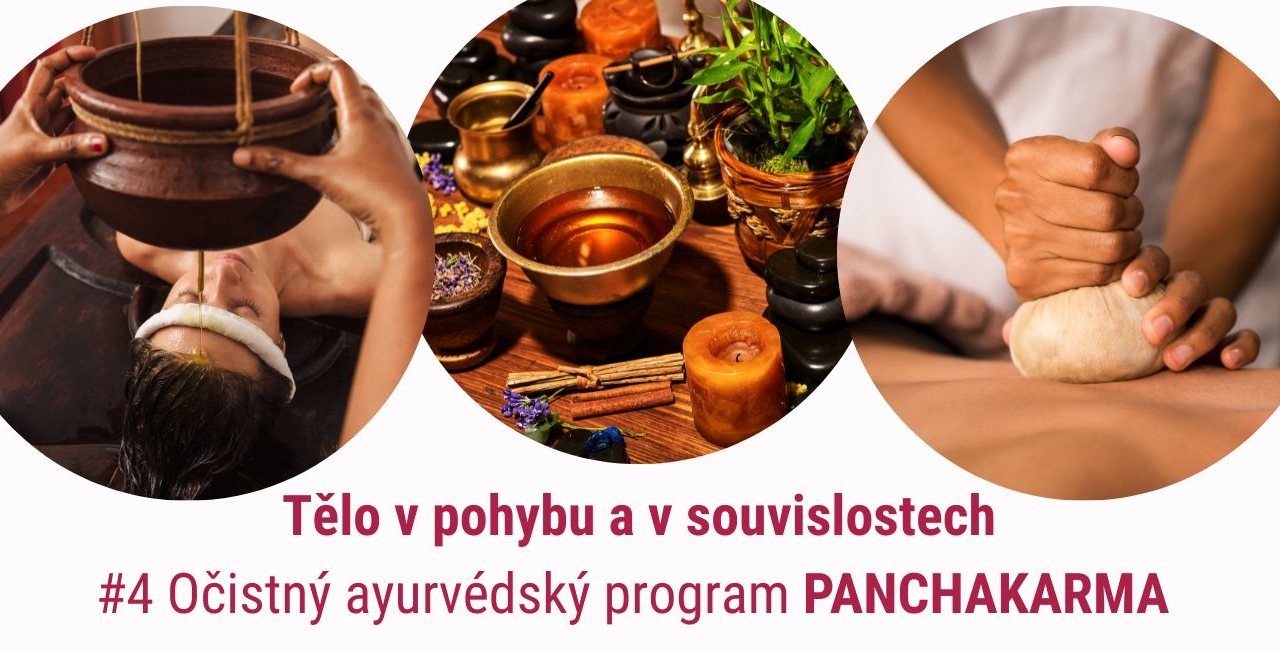
This year, for the fifth time, I treated myself to a complete body restart with the Ayurvedic PANCHAKARMA program, right in its homeland of India.
As a movement specialist, I believe deeply in paying close attention to the body—cherishing it through massage, nourishing it with proper food, and supporting tissue renewal.
In fact, all of my online programs include self-massage techniques designed to expel stored toxins from tissues, muscles, tendons, and fascia, promoting hydration and better glide between layers. This allows the body to move gracefully and without restriction. You can learn more about fascia in my article HERE - What You Should Know About Back Pain, Joint Pain, and Fascia.
PANCHAKARMA is a unique Ayurvedic system of cleansing therapies that is both intense and transformative.
According to the fundamental principles of Ayurveda, everything around us, including our own bodies, is composed of five basic elements: Earth, Water, Fire, Air, and Ether.
Combinations of these elements form the three Ayurvedic doshas—Vata, Pitta, and Kapha:
- Vata – Air and Ether
- Pitta – Fire and Water
- Kapha – Earth and Water
We Are All a Unique Combination of Doshas

When this delicate balance is disturbed, health problems and diseases arise. Our internal environment is governed by Vata, Pitta, and Kapha, which are in constant interaction with one another. They are also influenced by our external environment, bad habits, improper diet, and even mistakes within an otherwise healthy lifestyle.
These influences lead to the formation of waste products in the body, which Ayurveda calls ama. This accumulation impacts the strength of our digestive fire, or agni.
These waste products circulate through our bloodstream, gradually creating blockages. The body's toxicity level is directly related to our vitality, sense of inner strength, energy, and the flow of prana (life force).
Furthermore, it also affects our immune system and metabolism. Herein lies the key to healing the body: not only through cleansing but also by ceasing the habits that disrupt our delicate internal balance.
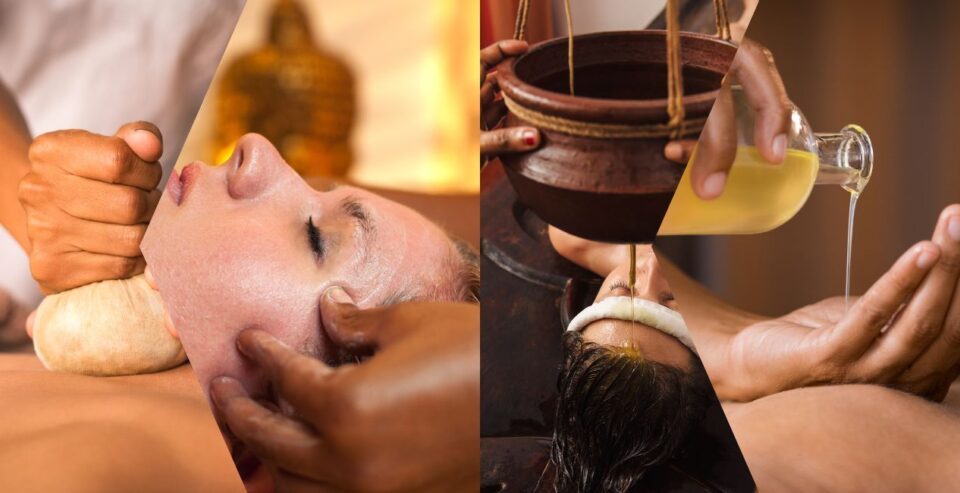
Ayurveda follows a path of both correction and prevention. Panchakarma is a cleansing program that helps rejuvenate and harmonize the entire organism.
For thousands of years, this system of purification has remained unchanged; its effectiveness and method are still considered unique today.
Special medicinal oils are used in combination with cleansing flushes, enemas, steam therapies, and Ayurvedic massages to eliminate toxins and restore the balance of the Ayurvedic doshas.
This process is intense and transformative: guests undergoing Panchakarma enjoy a peaceful atmosphere, a special diet, and gentle yoga, including Pranayama (breathing exercises) and meditation.
A key part of Panchakarma is also SHIRODHARA—a unique third-eye massage with warm oil.
Shirodhara: The Third-Eye Oil Treatment
Shirodhara is an exceptionally effective therapeutic and relaxation technique with a powerful purifying effect.
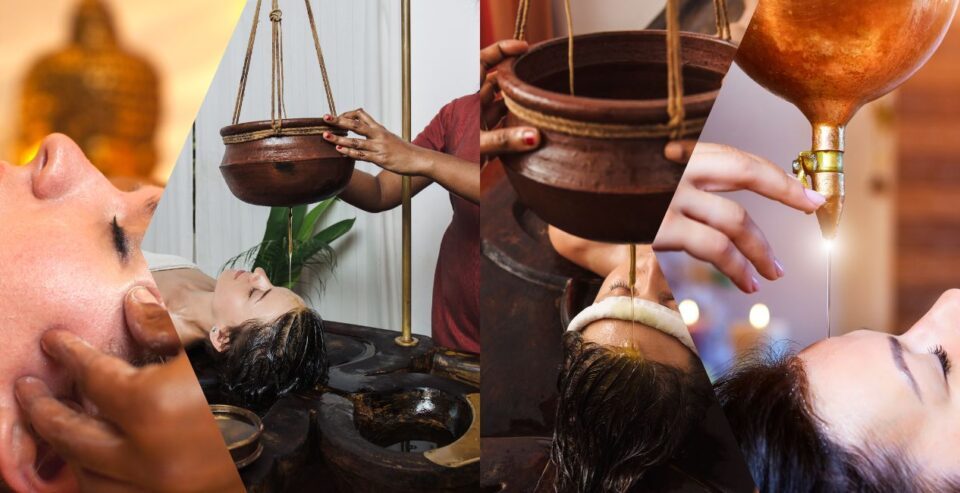
The Shirodhara massage is considered one of the ultimate rejuvenating and cleansing therapies. This healing technique is over 5,000 years old, and its primary goal is to establish physical and mental equilibrium.
The massage itself is performed by letting a thin, continuous stream of warm oil (or other liquid) flow from a vessel suspended above the head onto the area of the third eye.
Shirodhara has a wide range of benefits:
- Rejuvenates and slows aging by removing accumulated toxins, improving memory, and strengthening the body's defenses.
- Deeply relaxes and regenerates the nervous system, relieving stress and nervous tension, aiding with insomnia, eliminating anxiety and fear, and treating migraines and headaches.
- Improves physical health by helping to lower high blood pressure, nourishing body tissues, rejuvenating the skin, and providing relief for conditions like asthma, diabetes, high cholesterol, and stomach ulcers.
The Core Goals of Ayurvedic Massage
The main objectives of Ayurvedic massage are to eliminate toxins and waste products, purify, regenerate, and maintain strength and energy.
Massage creates balance between the body and mind by promoting circulation, which delivers nutrients to cells and carries away toxins. It softens the skin, promotes restful sleep, and strengthens vision and muscles.
The Shirodhara Technique
The massage is performed by allowing a thin stream of warm, herbal-infused oil to flow from a special vessel suspended above the head onto the area of the third eye.
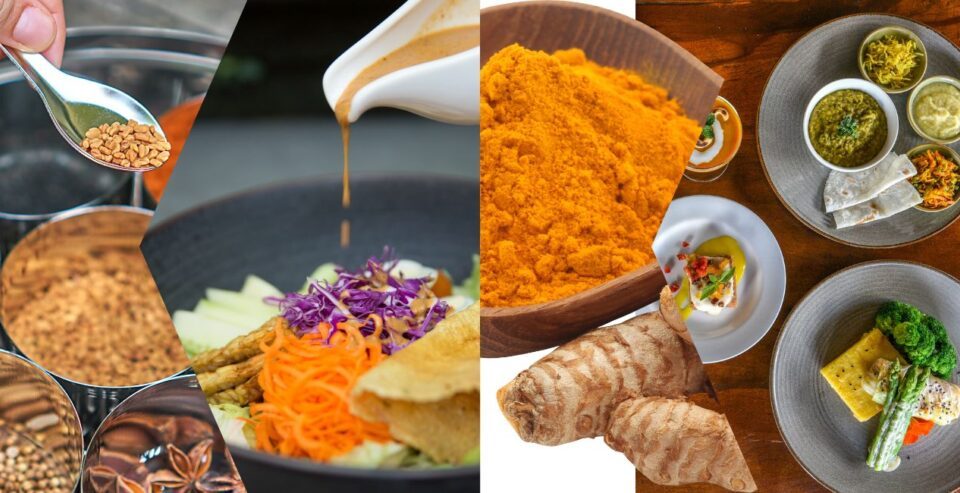
Ayurveda and the Function of Food
Food should satisfy us, provide strength and energy, maintain proper bodily functions, enhance our digestive fire and vitality, strengthen memory, and ultimately lead to a long life.
In Ayurveda, food is categorized by its inherent qualities, or gunas: Sattva, Rajas, and Tamas.
- Sattva is the quality of balance, harmony, and purity.
- Rajas is the quality of passion, activity, and movement.
- Tamas is the quality of inertia, darkness, and potential.
Everything in nature contains these three qualities in varying proportions.
- When we are positive and happy, we are more sattvic.
- When we are active and intense, we are more rajasic.
- When we are slow and lethargic, we are more tamasic.
These three qualities are, of course, also present in the foods we eat. Depending on what we consume, our food provides us with sattvic, rajasic, or tamasic energy. Could this be another confirmation of the old saying, "You are what you eat"?
Sattvic Food
A sattvic diet provides the body with necessary energy without overburdening it. It calms and purifies the mind. This food is fresh, juicy, light, nutritious, naturally sweet, and flavorful.
It includes easily digestible foods with a sweet taste (grains, fruits), certain vegetables, and some dairy products.
- Examples: Freshly prepared meals, organic foods, easily digestible vegetables, fruits, sprouts, grains, nuts, mung beans, red lentils, basmati rice, fresh milk, butter, yogurt, ghee, honey, and certain herbs and spices (e.g., cumin, coriander, fennel, turmeric, basil, cinnamon, cardamom, saffron, chamomile, jasmine, rose, lotus).
A quintessential dish in Ayurvedic cuisine is Ayurvedic kitchari. It is a cornerstone of the sattvic diet, designed to harmonize and balance. The main benefit of kitchari is that it simultaneously cleanses and nourishes the body. It is also a delicious and flavorful meal suitable for all three doshas (Vata, Pitta, Kapha).
Rajasic Food
This category includes most legumes and foods high in protein, such as poultry and fish. It also features pungent spices and certain types of vegetables. A rajasic diet is inherently salty, sour, bitter, pungent, and dry.
These foods create movement and activity but can also lead to anger, agitation, and pain.
- Examples: Vegetables like peppers, tomatoes, eggplant, potatoes, onions, and garlic. Grains such as buckwheat and millet. Most legumes and white meat. Spices like chili, cayenne pepper, black pepper, cloves, and nutmeg. Salt, coffee, black tea, and tobacco also fall into this group.
Tamasic Food
The tamasic group includes food that is spoiled, stale, overcooked, or stored for too long. It also encompasses frozen, canned, fermented (like alcohol), and genetically modified foods.
A tamasic diet causes fatigue and lethargy. On a mental level, it can lead to pessimism, doubt, and ignorance. Digesting such food requires a significant amount of energy.
- Examples: Red meat, hard and processed cheeses, reheated meals, fried foods, and industrially processed foods.
Finding Balance
Rajasic and tamasic foods disrupt the integration of mind, body, and spirit, while a sattvic diet supports it.
The qualities (or gunas) of sattva, rajas, and tamas also represent the process of evolution, through which the subtle becomes gross. In Indian philosophy, yogis and saints are advised to consume only sattvic food.
However, people in our dynamic Western world, who must keep up with its pace and constant changes, also need rajasic energy—the energy of movement and action.
Therefore, we should aim to consume both sattvic and rajasic foods in balance while trying to avoid tamasic foods.
Abhyanga: The Ayurvedic Oil Massage
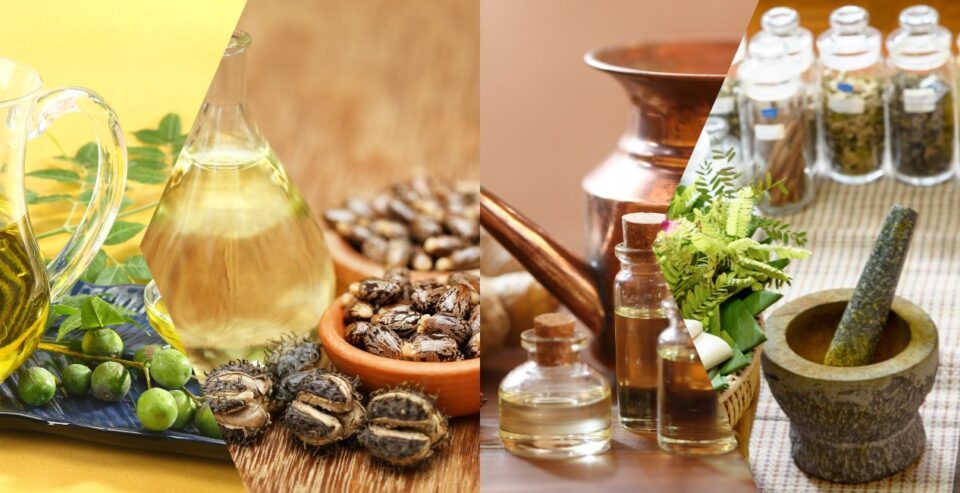
"The body of one who uses oil massage regularly does not become affected much even if subjected to accidental injuries or strenuous work. By using oil massage daily, a person is endowed with pleasant touch, trimmed body parts and becomes strong, charming and least affected by old age."— Charaka Samhita
Abhyanga is the practice of anointing the body with oil. The oil, often enriched with medicinal herbs, is typically warmed and massaged into the entire body before bathing. For thousands of years, this practice has been used to maintain good health, improve sleep, promote longevity, and as a form of medicine. You can easily incorporate Abhyanga into your daily routine.
The Sanskrit word "sneha" can be translated as either "oil" or "love." It is said that the effects of Abhyanga are similar to the feeling of being saturated with love. Just like being loved, Abhyanga provides a deep sense of stability and warmth. Sneha (oil/love) is subtle, allowing it to penetrate through the body's minute channels and reach deep into the layers of tissue.
Ayurveda teaches that there are seven layers of tissue in the body, known as dhatus. It is said that for the oil to penetrate the deepest layer, it must be massaged into the body for the duration of 800 mantras, which is about 5 minutes. Therefore, to massage the entire body, you need about 15 minutes. This is also the minimum time you should dedicate to the massage each day to experience its positive effects.
Abhyanga also includes applying oil to the scalp, feet, and ears.
Benefits of Abhyanga
- Softens and tones the skin
- Reduces the signs of aging
- Nourishes the body
- Promotes longevity
- Improves sleep
- Improves skin quality and firms it
- Provides strength and energy to body tissues
- Strengthens internal organs and improves circulation
- Calms Vata and Pitta, and harmonizes Pitta
Benefits of Applying Oil to the Scalp (Murdha Taila)
- Leaves hair shiny, thick, and soft
- Soothes and strengthens the sensory organs
- Reduces facial wrinkles
Benefits of Applying Oil to the Ears (Karna Purna)
- Helps with ear problems associated with Vata imbalance
- Helps with neck stiffness
Benefits of Applying Oil to the Feet (Pada Ghata)
- Helps with rough, stiff, and numb skin on the feet, as well as foot fatigue
- Strengthens local veins and ligaments
- Calms Vata
Choosing the Right Oil for Your Dosha
For Vata
Sesame oil is considered the "king of oils" and is the top choice for Vata types, primarily due to its warming properties. Use organic, un-toasted sesame oil if possible. Other suitable oils for Vata are almond and mustard oil, which are also warming, as well as olive and castor oil.
- Vata Essential Oils: Ylang-ylang, amber, sweet orange, frankincense, clove, rose geranium.
For Pitta
The most suitable oils for Pitta types are sunflower, coconut, and olive oil. If you've had too much sun exposure, use neem oil, which helps cool the Pitta quality in the skin.
- Pitta Essential Oils: Rose, sandalwood, fennel, mint, jasmine, vetiver.
For Kapha
Kapha types can use warming oils like sesame, corn, and mustard oil. Even better are herbal oils that pacify Kapha, or you can try jojoba oil mixed with Triphala powder.
- Kapha Essential Oils: Tulsi (holy basil), eucalyptus, lemon, rosemary, basil, juniper, coriander.
More About the Oils
- Sesame Oil: Rich in vitamins A, B, C, E, and F, it improves and smooths skin, hair, and nails, and is a source of calcium. It has natural antibacterial, antiviral, and anti-inflammatory properties. It helps in treating acne, migraines, and minor wounds.
- Almond Oil: Used as a moisturizer in ancient Chinese and Ayurvedic medicine. It is rich in vitamins B1, B2, B6, and A, strengthens the immune system, and has anti-inflammatory effects. It is recommended for skin conditions and hair care.
- Mustard Oil: Excellent for body massage, especially for those who feel cold, lack energy, or suffer from general fatigue. It helps with arthritis, rheumatism, stiffness, and pain.
- Olive Oil: Contains vitamins A and E. It is used for cracked, rough, inflamed, and eczematous skin. It helps heal burns, protects against UV radiation, softens the skin, and maintains its natural moisture.
- Castor Oil: Obtained from the seeds of the castor bean plant. It is rich in proteins, minerals, and fatty acids with moisturizing and healing properties. It is suitable for treating dry, sensitive, or damaged skin. It is also used to treat warts, relieve muscle and joint pain, and reduce wrinkles.
- Sunflower Oil: Softens, warms, improves circulation, and regenerates the skin. It helps heal eczema and acne and has a high vitamin E content.
- Coconut Oil: Ideal for dry and sensitive skin, with a delicate coconut scent. It protects against frost in the winter and cares for the skin after sunbathing in the summer, leaving it soft and protected.
- Corn Oil: Regenerates and heals, softens the skin, and reduces the formation of cracks.
- Essential Oils: These are aromatic essences extracted from plants, carrying their characteristic fragrance. Several kilograms of a plant may be needed to produce just a few drops of essential oil. They are used in aromatherapy. Different essential oils are suitable for different doshas. Their scent can positively influence your mood and help balance your Vata, Pitta, or Kapha constitution. You can mix a few drops into a base massage oil (sesame, coconut, almond, etc.) or apply them directly to your wrists and neck.
How to Perform an Abhyanga Massage
- Prepare the Oil: First, ensure the oil is not rancid. Fill a small squeeze bottle with your chosen oil.
- Warm the Oil: Place the bottle in a pot of hot water until the oil is pleasantly warm to the touch.
- Set Up Your Space: Stand or sit in a warm, draft-free room on a towel you don't mind getting oily.
- Apply the Oil: Apply the warm oil generously over your entire body.
- Massage: Massage the oil into your skin, starting from your extremities and moving toward the center of your body. Use long strokes on your limbs and circular motions around your joints. Massage your abdomen and chest in broad, clockwise circles. Perform the massage for about 5-20 minutes, treating your body with love and patience.
- Focus on Head, Ears, and Feet: At least once a week, dedicate extra time to massaging your scalp, feet, and ears. Apply oil to the crown of your head (crown chakra) and work it in with circular motions. The oil for your head should be warm, not hot. Apply a little oil to your ears as well.
- Let It Absorb: Allow the oil to soak into your skin for about 30 minutes.
- Bathe: Take a warm bath or shower to rinse off the excess oil.
- Dry Off: Pat yourself dry with a towel. It's best to use a designated "oil towel," as it may become stained over time.
- Final Touches: Put on a pair of cotton socks (your feet may still be a bit oily). Apply a drop of an essential oil suitable for your dosha to your wrists and neck.
Tags
#Panchakarma#Ayurveda#Detox#Shirodhara#Abhyanga#Holistic Healing#Self-Care