Back PainMovement EducationHealthy Movement
21 Reasons to Focus on Your Breath
6. října 2019
7 min read
Updated 4. 6. 2026
MF
Martina Fallerová
Movement & Wellness Expert


Are we truly aware of how we breathe? What is the quality of our breath, and how much can we influence our well-being just by changing it?
Our breath is a powerful tool, yet most of us take it completely for granted. Here are 21 compelling reasons why you should start paying close attention to it.
The 21 Benefits of Conscious Breathing
-
Breath is Life. It's the most fundamental part of our existence. We are born with our first inhale and we pass with our last exhale.
-
Inhalation Energizes, Exhalation Cleanses. An inhale fills us with oxygen, without which we couldn't exist. An exhale rids our bodies of toxins and waste products. When you consciously extend your exhale, you give your body more time to "clean house," creating space for a higher-quality inhale that fully oxygenates every cell.
-
The Link to Chronic Illness. Many chronic diseases are associated with insufficient breathing. Very often, the body has an excess of nutrition but is starving for oxygen.
-
Deep Breathing Stimulates the Brain. Shallow breathing fails to stimulate the receptors hidden deep within the lungs, which provide reflexive feedback to the respiratory center in the brain. Only deep breathing activates these nerves, leading to truly optimal respiratory function.
-
Sedentary Life and a Slow Metabolism. In today's sedentary lifestyle, where our breathing is often minimal, our metabolism slows by almost 90%. This is a major reason why our bodies don't burn fat effectively and our weight increases.
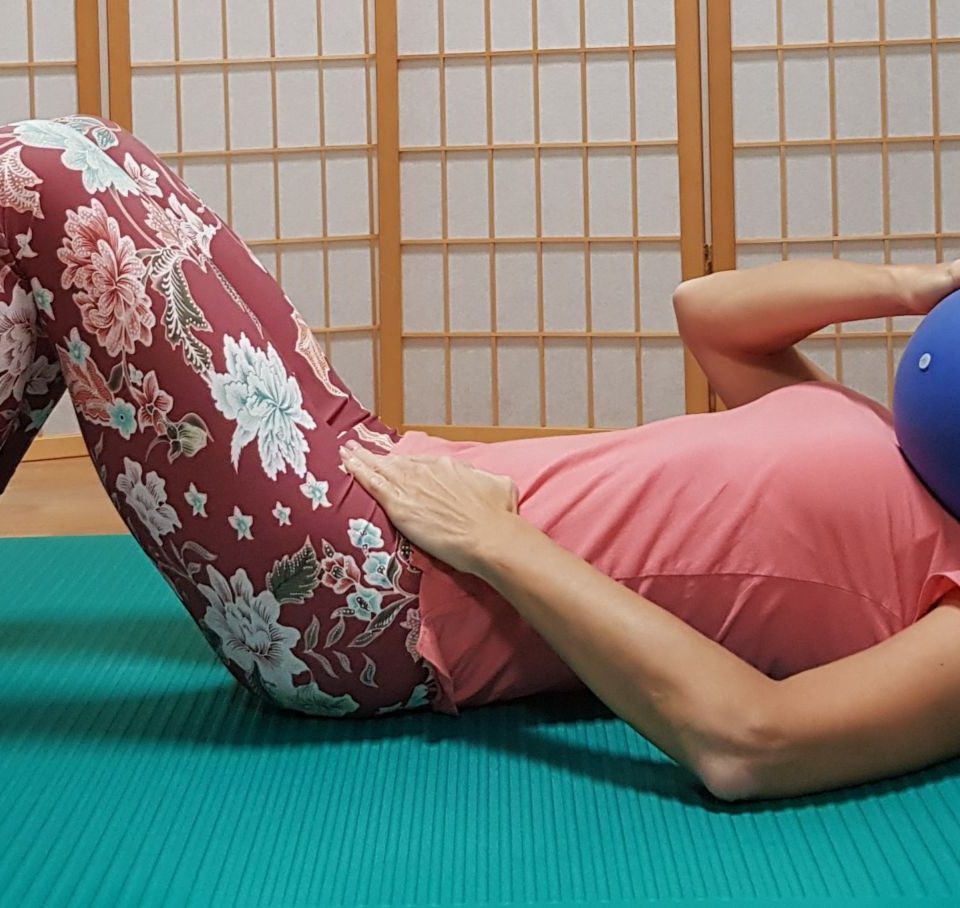
Sedentary posture -
Clavicular (Collarbone) Breathing Regulates Circulation. This upper-chest breathing regulates blood flow to the neck, head, and arms. Poor circulation in this upper system, combined with poor posture, can lead to malnourishment of brain cells. The brain lives on sugar and oxygen, both of which are delivered by quality blood flow. Deficiencies can affect the sensory organs of the head, leading to hearing and vision problems, headaches, tension, hair loss, fatigue, poor concentration, and impaired brain function. For people with excessive thoracic kyphosis (a rounded upper back) or a slumped sitting posture, clavicular breathing can help them straighten up.
-
Thoracic (Chest) Breathing and Heart Health. This type of breathing requires more effort and conscious mental control, as it's not typically a major part of our autonomous breathing function. Women generally breathe this way more effectively due to the shape of their chest and breasts. Men, however, often struggle with it. This may be a contributing factor to why 95 out of 100 cases of heart disease occur in men. Proper respiratory activity in this area prevents the accumulation of fat around the heart, which can build up due to poor breathing patterns.
-
Increased Lung Capacity. Another benefit of thoracic breathing is the improved elasticity of the intercostal spaces (the areas between your ribs). This allows the lungs to expand more fully, drawing in a larger volume of oxygen. For individuals with a flat upper back, it can also release tight muscles between the shoulder blades that contribute to neck problems and pain.
-
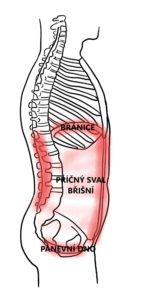
The Diaphragm: Your Primary Breathing Muscle. The diaphragm is the main respiratory muscle, separating the chest cavity from the abdominal cavity. With a proper inhale, it descends, creating suction that pulls air into and expands the lungs. As the diaphragm moves down, it makes room for the lungs, allowing us to breathe into their lower lobes and significantly increase our respiratory capacity. This is a huge advantage in certain sports.
Correct posture -
Internal Organ Massage. The downward expansion of the diaphragm creates pressure in the abdominal cavity, which massages the internal organs. This helps eliminate unwanted toxins and ensures the organs receive a better supply of oxygenated blood, leading to improved function.
-
The Diaphragm as a "Second Heart." The diaphragm is also known as the diaphragmatic pump. It assists the heart with blood circulation. Abdominal breathing is responsible for up to two-thirds of the blood supply to the liver, kidneys, stomach, and spleen.
-
The Foundation of Your Posture. The diaphragm attaches from the lower rib cage and sternum all the way to the lumbar vertebrae. Consequently, its function directly influences the position of your chest, lumbar spine, and your entire POSTURE, including the alignment of your pelvis and head.
-
Connection to the Hips and Gait. In the lumbar region, the diaphragm's attachment points meet those of the primary hip flexor muscle (the psoas). Therefore, poor diaphragmatic function can also affect your hip joints and the way you walk.
-
A Stable Core Protects Your Spine. Abdominal breathing, combined with the proper function of the diaphragm, pelvic floor, and deep abdominal muscles, stabilizes our core. This is known as the deep core stabilization system, and it protects the lumbar spine from overload.
-
The Secret to Functional, Flat Abs. By correctly activating this deep core stabilization system, you can enjoy the benefits of strong, functional, and flat abdominal muscles.
-
Healing Diastasis Recti. Proper breathing techniques and a functional pelvic floor can also help address the separation of the abdominal wall, known as diastasis recti.
-
Relieving Stress and Anxiety. States of fear and stress, which are all too common today, cause the diaphragm to tighten and lock up. Diaphragmatic breathing releases this tension and activates the parasympathetic nervous system, which helps the body relax and unwind. The sympathetic and parasympathetic systems are parts of the autonomic nervous system. The sympathetic system is active during perceived danger—it mobilizes energy reserves, slows digestion, and makes breathing rapid and shallow. The parasympathetic system, in contrast, calms the body, supports digestion, and promotes slow, deep breathing.
-
Pelvic Health and SI Joint Relief. When your breath (and the resulting internal pressure) reaches all the way down into the pelvis, the top of the pelvic arch can open while the bottom (near the sit bones) narrows. This movement can relieve pressure on the sacroiliac (SI) joints and the junction between the last lumbar vertebra and the sacrum. This also helps activate the pelvic floor in the lower part of the pelvis.
-
Improved Circulation to the Lower Body. This deep breathing also increases the supply and circulation of oxygenated blood in the pelvic region and lower limbs. This can help with menstrual problems, ovarian function, varicose veins, and swelling in the legs.
-
Balancing Hormones and Immunity. Using specific breathing techniques, we can increase the flow of hormones produced by our endocrine glands, thereby strengthening our vitality and immune system.
-
The Importance of Spontaneity. Your breath naturally changes depending on what you are doing and where you are. When you are calm, you don't need to breathe at full lung capacity. Trying to consciously control your breath and other vital functions at all times can weaken your natural spontaneity.
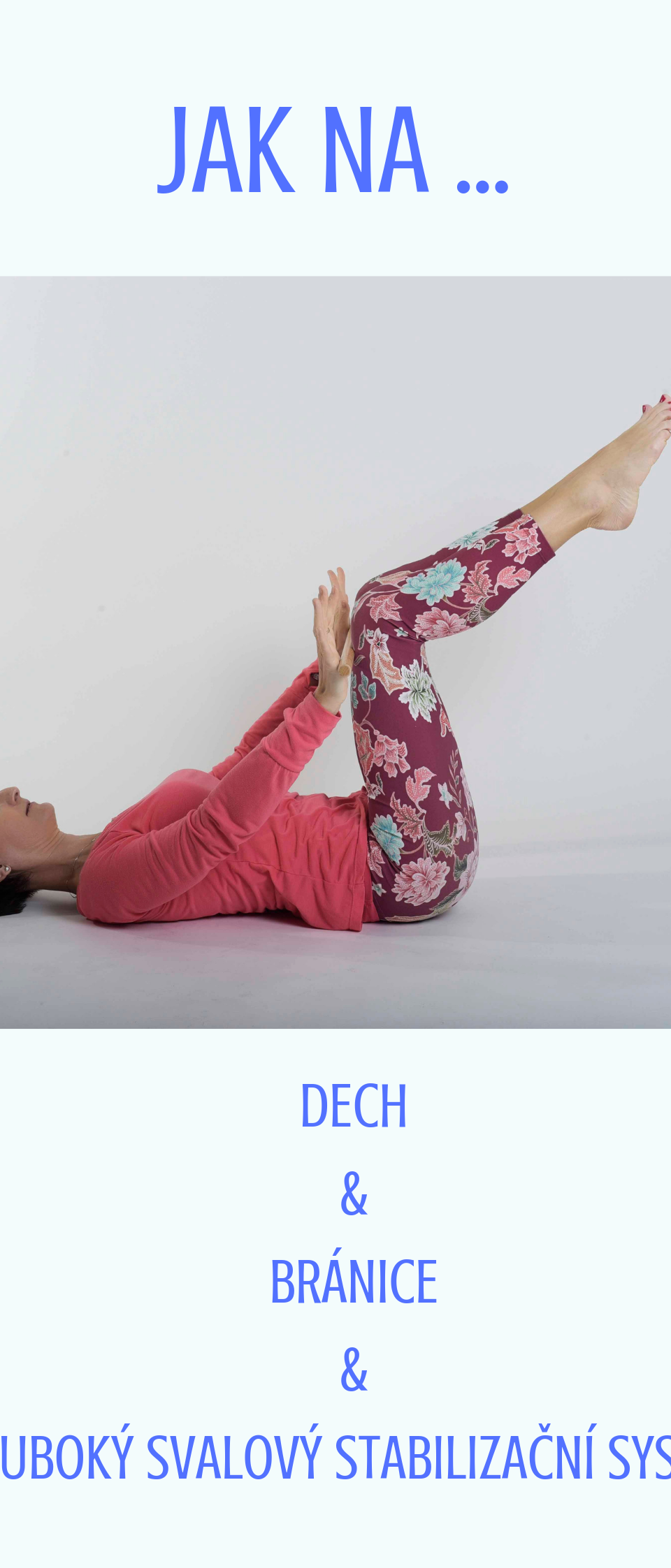
It's crucial to remember that any technique, when overdone, can lead to new bad habits. Under certain circumstances, any practice can be harmful. The truest sign of health is spontaneity.
So, Let's Take a Deep Breath :-)
If you've read this far, I'm thrilled! If you want to start working on your breath but aren't sure how, I have an e-book ready for you.
Learn more about my guide, HOW to BREATHE, by clicking HERE>>>.
Tags
#back pain#breathing#fascia#movement habits