How to Heal Diastasis Recti: A Comprehensive Guide
26. března 2020
5 min read
Updated 4. 6. 2026
MF
Martina Fallerová
Movement & Wellness Expert
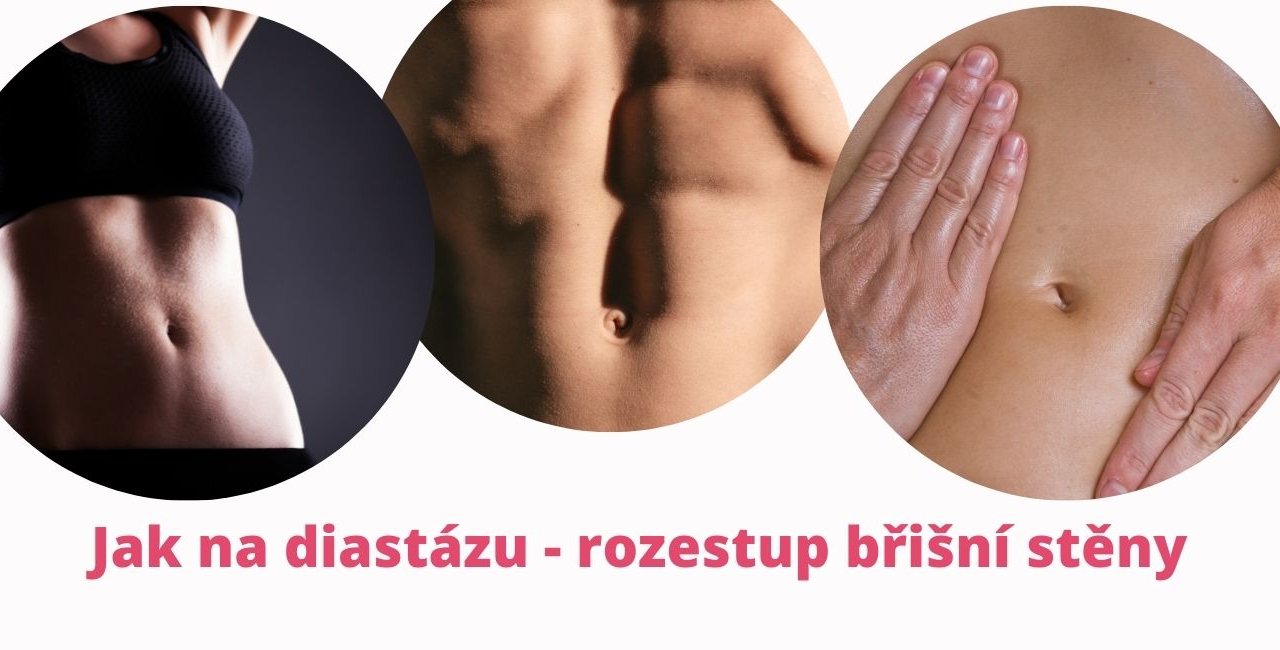
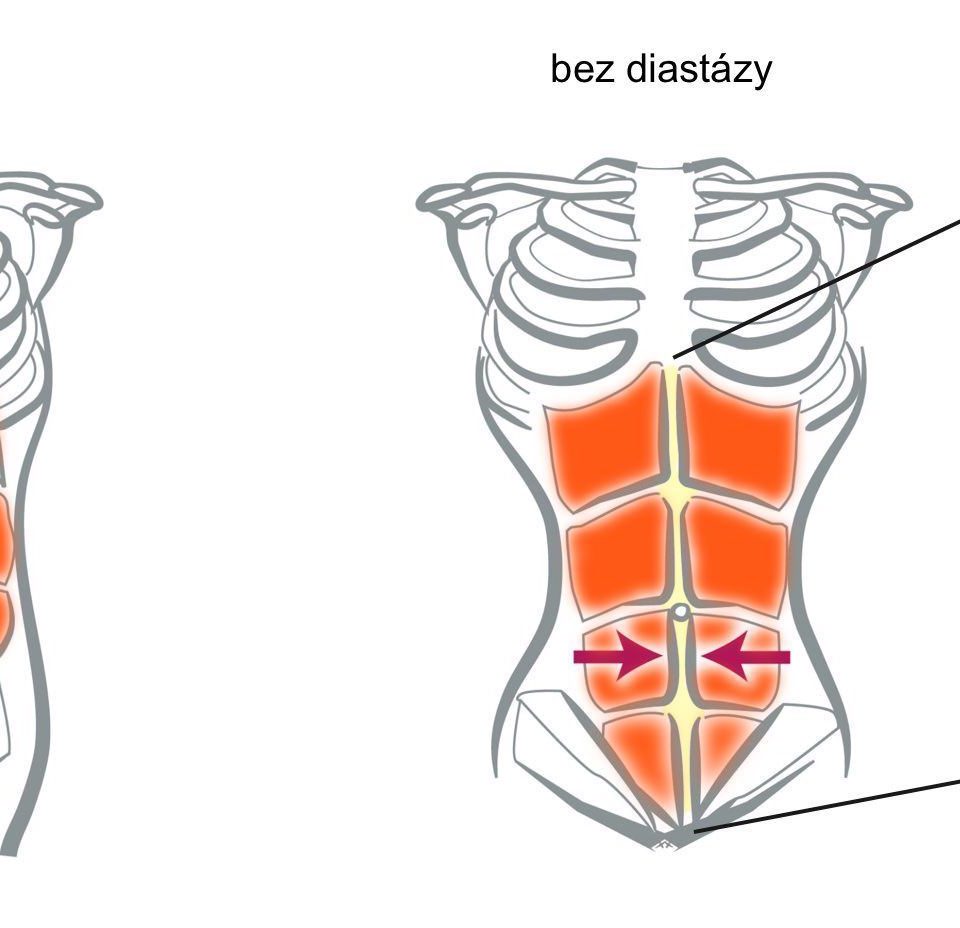
Diastasis recti is the medical term for the separation of the rectus abdominis muscles, more commonly known as the "six-pack" muscles. The rectus abdominis is a paired muscle that originates from the xiphoid process of the sternum and the cartilage of the fifth, sixth, and seventh ribs, and attaches to the pubic bone in the pelvis. Along the midline of the body, these two muscle bellies are joined by a connective tissue band called the linea alba.
When these muscles separate, the linea alba is stretched sideways, causing it to become thinner and weaker—much like what happens when you stretch a gummy worm. This weakened, overstretched connective tissue can no longer support a functional core. Similarly, if the tissue is inelastic, stiff, and brittle from dehydration, it fails to hold the internal organs in place, allowing them to bulge through the gap. This loss of elasticity is a primary cause of significant muscle separation during pregnancy and the reason why the abdomen may not return to its original shape after childbirth.
If the abdominal wall is compromised by diastasis, it cannot effectively stabilize the spine. The transverse abdominis muscle is a crucial core stabilizer, working in concert with the diaphragm, pelvic floor, and the deep muscles surrounding the spine. This deep-lying muscle is composed mainly of fascial tissue that seamlessly connects to the abdominal aponeurosis. When it isn't functioning correctly, we need to re-establish the mind-muscle connection, as the brain is the body's control center. If the transverse abdominis fails to activate, the rectus abdominis often takes over, compensating for the other core muscles.

During pregnancy, the alignment of the spine changes, while the rib cage and pelvis lose mobility and rotational capacity. Hormones cause the body's tissues to soften in preparation for childbirth. After delivery, poor posture while caring for a newborn often prevents the body from returning to its pre-pregnancy state.
But let's be honest with ourselves. Was our posture perfectly aligned before we got pregnant? Did we know how to breathe properly? Did our rib cage rotate in opposition to our pelvis when we walked? Almost certainly not.
Every woman should recognize that pregnancy and the postpartum period are an ideal time to rebuild the body and create a stronger foundation. The body is softer and more malleable, giving us a unique opportunity to dramatically improve our posture—or, as is more often the case, make it worse.
Poor posture during pregnancy and improper movement patterns while caring for a baby postpartum can cause these issues to become chronic. Correcting them later and restoring proper alignment and function requires far more effort.
What Causes Diastasis Recti?
Diastasis can develop for several reasons:
- Genetics and congenital predispositions from birth.
E-book cover for "Body Without Pain" by martinafallerova.cz - Poor fascial quality—the tissue may be either too weak or too stiff and inelastic.
- During pregnancy, when it is a natural and necessary occurrence. However, it often persists after delivery and does not resolve on its own.
- Obesity, due to high intra-abdominal pressure pushing against the abdominal wall.
- Improper exercise selection, particularly certain strengthening exercises.
- Overexertion at the gym.
- Strain at work from repeatedly lifting heavy loads.
- Overexertion in sports where high pressure is placed on the abdominal wall without proper core engagement.
- Following abdominal or laparoscopic surgeries in the abdominal region.
- Prolonged sitting with incorrect posture.
It's crucial to acknowledge that the first step is often reducing abdominal fat. The next steps should involve caring for the body's entire network of fascia and muscle tissue. Only through this holistic approach can you achieve proper body alignment and joint centration. Focusing solely on the abdominal muscles is a significant mistake. The inner thighs, hip muscles, armpits, and even shoulder position are all critical for achieving proper alignment and a functional core, especially when dealing with diastasis.
How to Test Yourself for Diastasis Recti
1. Lie on your back with your knees bent and your feet flat on the floor, hip-width apart. You can place one hand behind your head for support (this is optional) and place the other hand on the midline of your abdomen, along the linea alba.
2. Gently lift your head and shoulders off the floor, as if you were starting a crunch. As you lift, use the fingers of the hand on your abdomen to gently press into the area from your pubic bone up to your sternum.
If your fingers sink into a gap between two firm ridges of muscle, you have diastasis recti. You can measure its width by how many fingers fit into the gap. Don't panic. I have diastasis too. I wrote about my experience in this article: My Journey with Diastasis.
If you don't feel a gap and instead feel a firm surface under your fingers, you're in the clear. Diastasis recti isn't an issue for you.
However, if you did find a gap and you're unhappy with the appearance of your abdomen, your posture isn't optimal, or you experience occasional back pain, I have a solution for you: the Restart Your Body online course.
This course has helped many people not only with diastasis but also with back and joint pain.