7 Essential Tips for a Functional, Pain-Free Knee
24. dubna 2020
6 min read
Updated 4. 6. 2026
MF
Martina Fallerová
Movement & Wellness Expert

Have you ever found yourself complaining about a sore knee? I know plenty of people who have. It’s a joint that tends to make itself known to all of us from time to time. We might irritate it with a sudden sharp movement, an unusual load, or overuse during sports. Sometimes, the problem resolves in a few days; other times, relief seems out of reach. Often, it starts with a mild ache that we ignore, never stopping to consider what’s causing the discomfort. We continue moving with the same old habits, but the pain gradually worsens. Our body starts to compensate to avoid the pain, and just like that, we’re setting ourselves up for another problem. We get stuck in a vicious cycle.
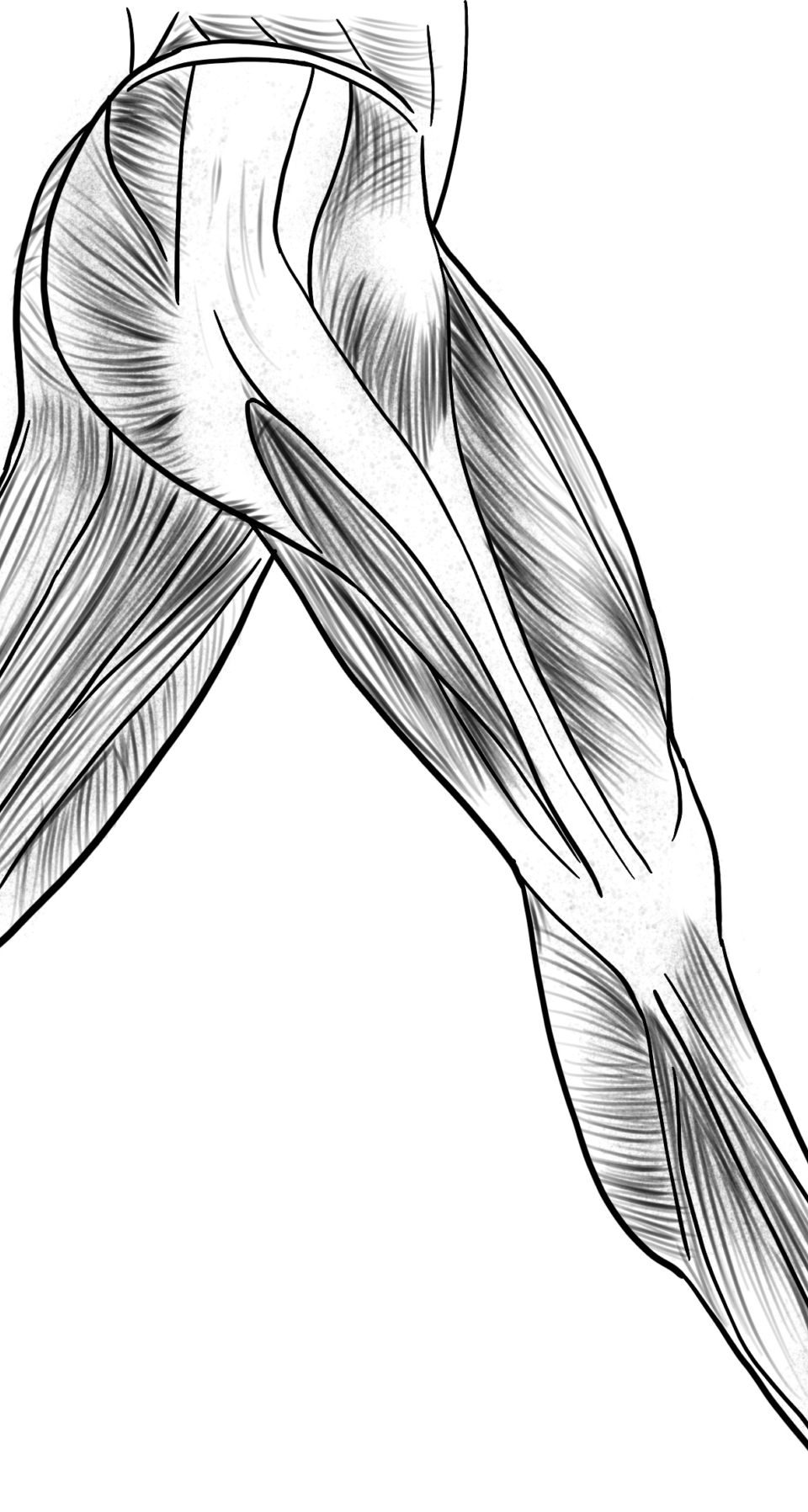
7 Tips for a Functional, Pain-Free Knee
1. Look Beyond the Knee: Focus on the Hip and Foot
The knee is located in the middle of the leg. This means that if you have a knee problem, you need to address the proper function of the hip joint and the foot, with a special emphasis on the position of the heel bone and the function of the toes. A mobile and stable hip and ankle joint, along with strong and stable toes, are the keys to a properly functioning knee.
2. Check Your Alignment
When all your muscles have the correct length, tension, and elasticity, your knee should align naturally over your second toe and below your hip joint. However, we often see legs that resemble the letter "O" (bow-legged) or "X" (knock-kneed). This means the forces acting on the knee are no longer balanced, and the joint suffers. Take a look in the mirror, assess the shape of your legs, and start working on improving their alignment before it’s too late. But I can reassure you: even if your knees are already protesting, it's never too late. You can always work on restoring the proper length of your muscles.
3. Hydrate Your Fascia
Properly hydrated fascial tissue is crucial for our entire body. It runs everywhere, connecting and separating everything. Proper hydration allows all these layers to glide smoothly over one another, enabling us to move with ease and grace. Unfortunately, our sedentary lifestyle isn't kind to this tissue. When our body lacks movement or as we age, this tissue can become matted, stiff, and dehydrated.
The best solution is movement in the form of fast, dynamic walking, which gets everything in the body moving. We can also aid hydration with the right self-massage techniques using a foam roller and spiky ball. Once the tissue is receptive, it makes sense to supplement with collagen, as it can then be better absorbed into the tissue.
4. Mind Your Daily Habits
Have you ever paid attention to HOW you sit, stand, get up from a chair, walk, run, or play sports? What is your knee doing during these activities? If someone were to film you, you might be surprised. Our daily movement and sports habits are the ultimate key to a pain-free knee. If we don’t adjust them, we’ll remain stuck in that same vicious cycle.
5. Lighten the Load
If we combine poor leg alignment and bad movement habits with excess weight, it’s no wonder our knees aren’t happy. Excess weight places greater pressure on the joint, leading to faster wear and tear and pain. Furthermore, excess body fat increases the production of inflammation in the body. If you also happen to take various medications, the level of inflammation in your body can be even higher.

6. Adjust Your Diet for Inflammation
What does your diet look like? If you're already battling pain and inflammation, it’s time to think about the food you eat. You may need to reduce or eliminate certain foods.
Among the worst offenders are:
- Red meat
- Fried foods
- Sugary drinks
- Alcohol
- Excessive wheat and dairy products
You should also consider reducing your intake of nightshades, such as potatoes, tomatoes, peppers, and eggplants. If you are sensitive to these foods, you might experience morning stiffness, muscle aches, cracking joints, arthritis, and gallbladder issues.
On the other hand, some of the best anti-inflammatory foods include high-quality bone broth (from marrow bones or a slow-cooked chicken), ginger, and, believe it or not, the most valuable nutrients are said to be in a fish eye—though I honestly haven't tried that one yet! :)
7. Follow a Comprehensive Action Plan
So, what's my recommendation for everyone dealing with knee issues?
- Release and hydrate muscle and fascial tissue using foam rollers and spiky balls.
- Stretch shortened muscles in the lower limbs.
- Work on the stability of the hip joint and heel bone.
- Strengthen the toes and the tendon attachments around the knees, which are often inactive in most people.
- Integrate proper lower limb mechanics into your daily movement habits.
- Add exercises for strength and stability, not just for the legs, but for the entire body.
A functional connection between the lower and upper body—the spiral engagement of the leg, the rotation of the pelvis, and the counter-rotation of the chest during walking and running—is what gives our body true strength and stability. If these connections are missing, it's only a matter of time before the weakest part of the chain starts signaling pain.
You can find out how to do this in my e-book How to Address the Foot - Knee - Hip - Learn to Walk. As for diet, I'll let the more experienced experts give advice on that.
Our body is only as strong as its weakest link.
Therefore, if you want to solve any problem in your body, you need to reset and restore function to the entire system. My online video course, Restart Your Body, can help you with that. In it, you will release your body, realign it, and put everything back into functional order. You will build both mobility and strength and stability. One cannot exist without the other.
Knee problems can also be caused by your walking patterns. You can read more interesting information in other articles on my blog. I recommend starting with Walking Should Heal, Not Hurt.
Learn more about the Restart Your Body course here ->>>