3 Pro-Tips from a Movement Specialist
7. října 2019
5 min read
Updated 4. 6. 2026
MF
Martina Fallerová
Movement & Wellness Expert
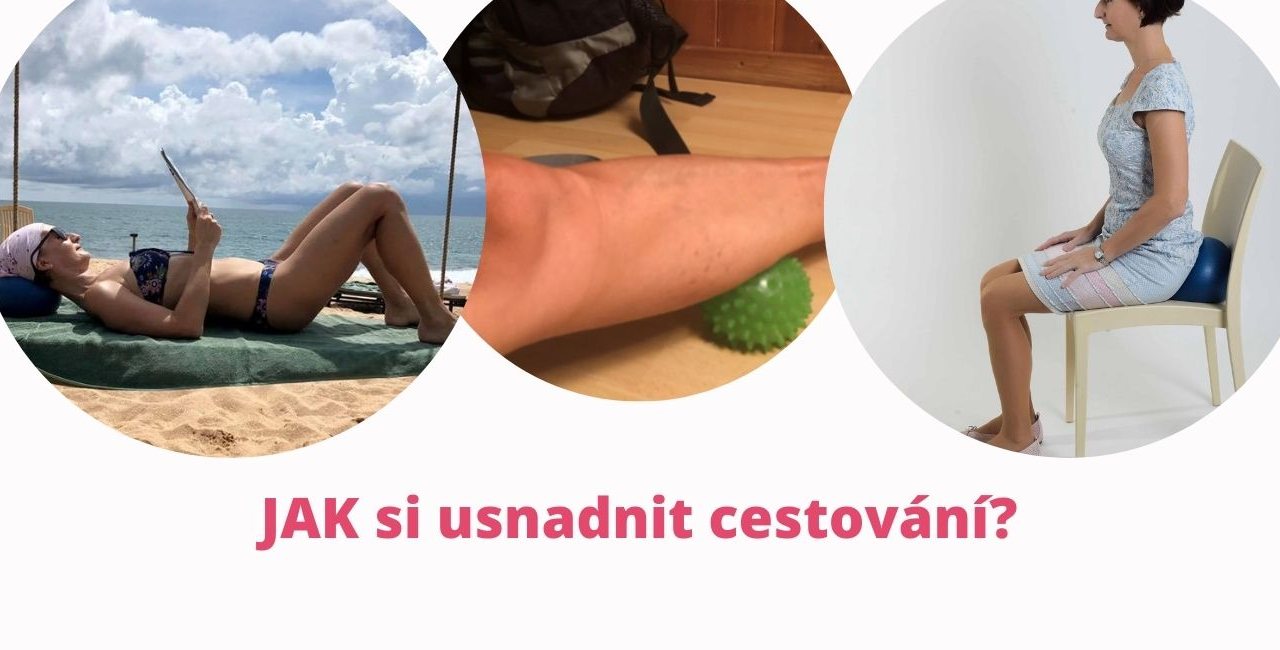
A Movement Specialist's Top 3 Tools to Always Have on Hand
As a movement specialist and former lecturer at the IQ pohyb academy, I used to travel very frequently. When I add in traveling with my family for trips and vacations, I spend a significant amount of time on the road each year.
We don't always have ideal conditions, like a quality seat, enough space, or the opportunity to walk around during a long journey. I often work with my clients on setting up their workstations and figuring out how to survive long hours of sitting in the office or car. At the IQ pohyb academy, I led a professional seminar called "Chair & Office." Over time, these experiences have helped me identify three essential tools that are worth keeping on hand at home, in the office, or while traveling.
The Sball, a spiky massage ball, and a foam ball are three tools that don't take up much space. For many of us, the worst part of a trip is the journey itself, whether it's to a vacation spot or a business destination. We find ourselves wishing for a magic ring we could twist to instantly appear on a beach, in the mountains, or at a training seminar. And that's not even mentioning sightseeing-focused travel. Having these helpers on hand will make our travels, sunbathing, sports activities, and long hours of sitting in a car, plane, office, or classroom far more manageable.
1. The Sball
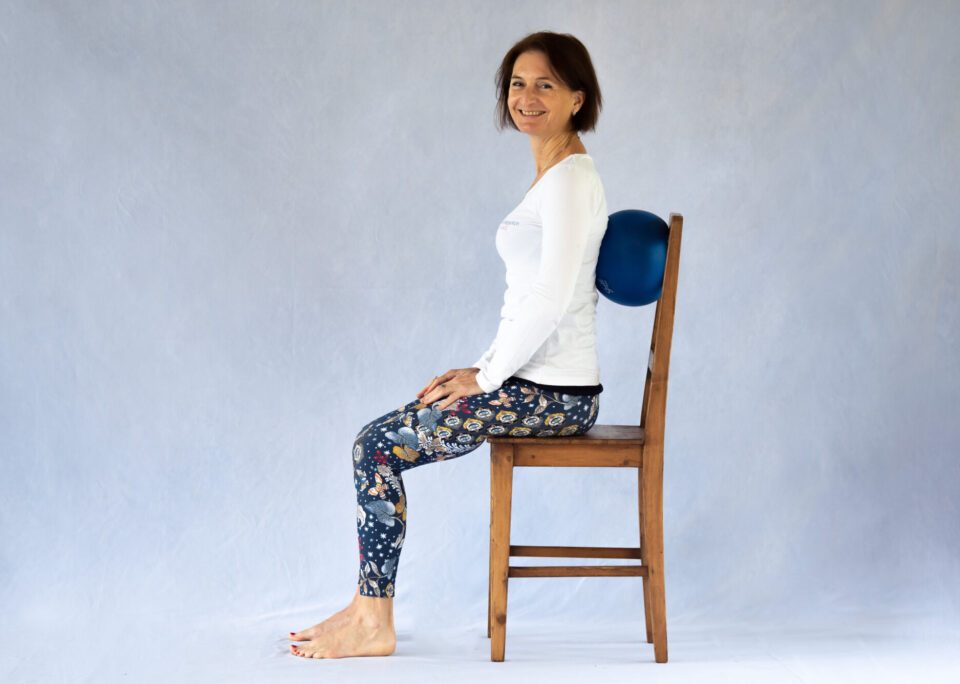
This amazing blue inflatable ball might look like the common overball at first glance, but it's not the same. The key difference is the quality of its material. Compared to an overball, the Sball is made from an elastic material that feels very pleasant against the body's tissues and transfers its elasticity to them.
Its uses are versatile. Our bodies are designed for movement, yet we often spend long hours sitting, whether we're traveling or at the office. The Sball helps make sitting more comfortable without harming our body.
When you sit on it, you can easily mobilize a stiff pelvis and release your lumbar spine. However, this kind of active sitting must be done consciously, which isn't possible when you're focused on work.
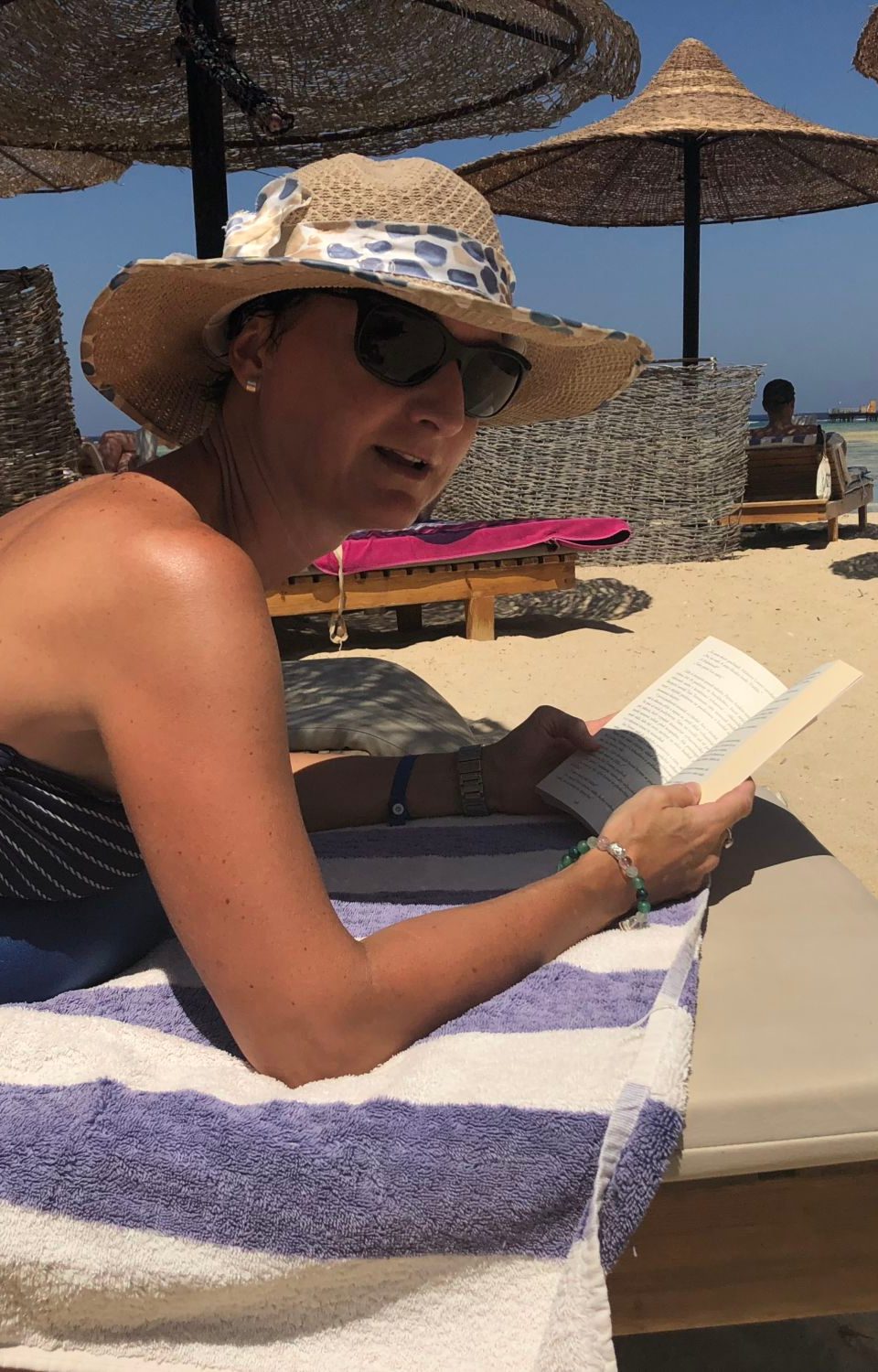
A more practical approach is to slide your sit bones down off the Sball and onto the chair seat, which releases the area around the sit bones and helps your pelvis achieve a more upright position. Alternatively, you can place it behind your back at the transition between the thoracic and lumbar spine for better posture and support on any chair or armchair. You can work for a short time in this position. If you want to take a nap during your journey, it serves as a better support than a standard travel pillow. The Sball also makes lounging and reading on the beach—whether on your back, stomach, or sitting up—much more comfortable.
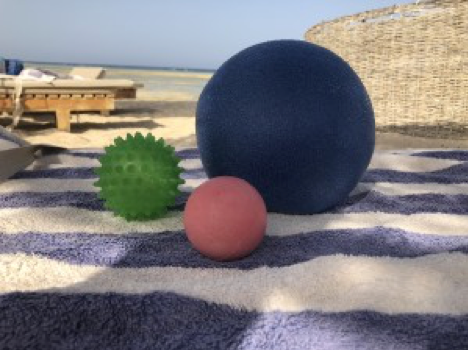
2. The Spiky Massage Ball
This tool doesn't take up much space, but it can do a lot. If your legs tend to swell during long periods of sitting or if you have issues with your venous system, the spiky ball is a fantastic aid. Simply place it on the floor and "play" with it using your foot to perform what's known as vascular gymnastics.
If you've been instructed by your movement specialist, you can use this time for "Footwork" to improve your foot's arch, heel alignment, or address issues like bunions or hammer toes. If you get a spiky ball for the office, buy two—after all, you have two feet.
Sometimes on our travels, we fall asleep in an awkward position or strain a part of our body during an activity it wasn't prepared for. With the spiky ball, you can easily release the tension in that area with self-massage, eliminating the need to find a masseuse or, in a worse-case scenario, take a painkiller.
3. The Foam Ball
This can also be a small, hard spiky ball, a tennis ball, or a bouncy ball. It’s harder and smaller than the previous massage ball, allowing it to get deeper into your body's sore tissues and provide more targeted, point-specific pressure.
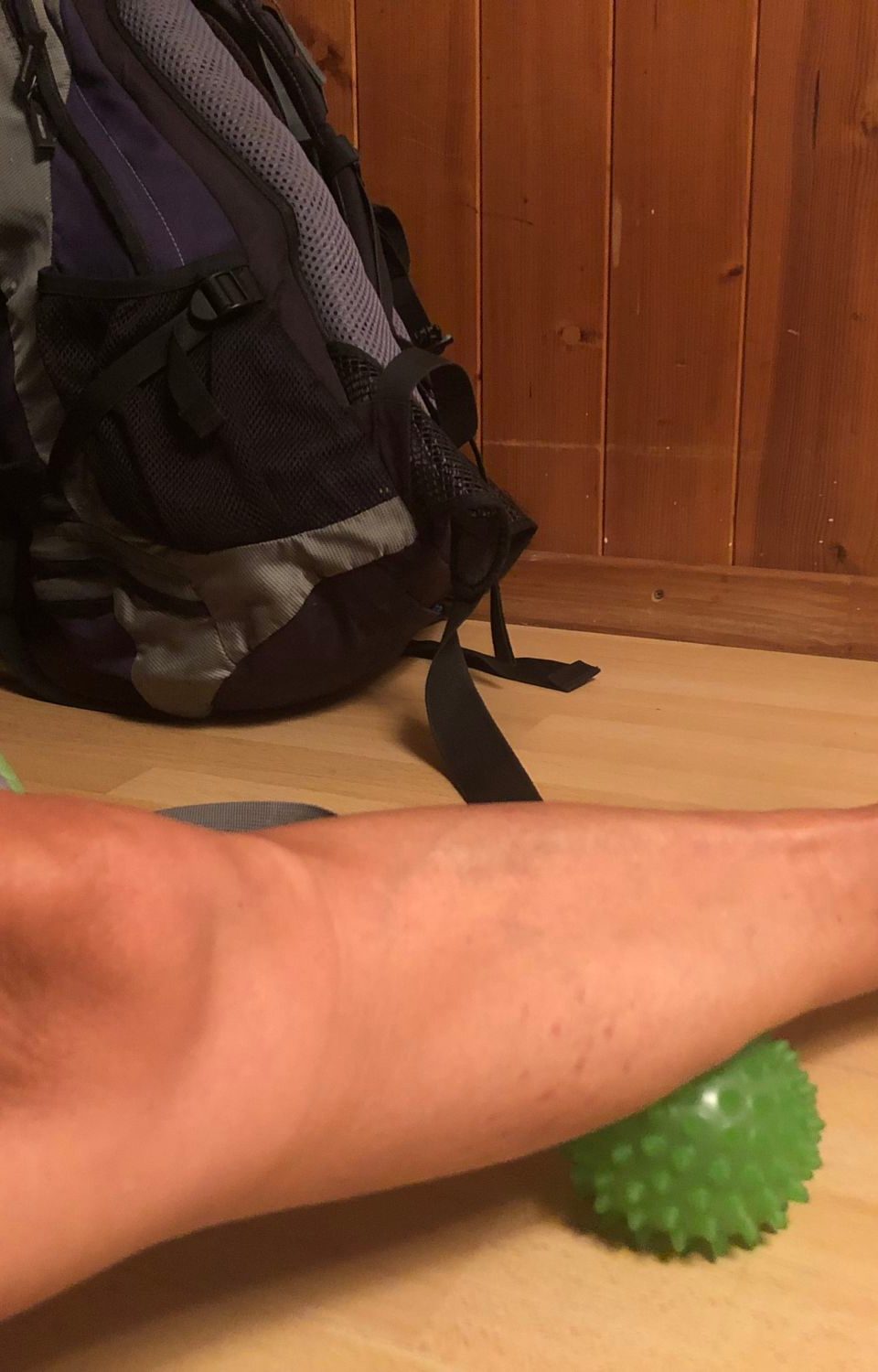
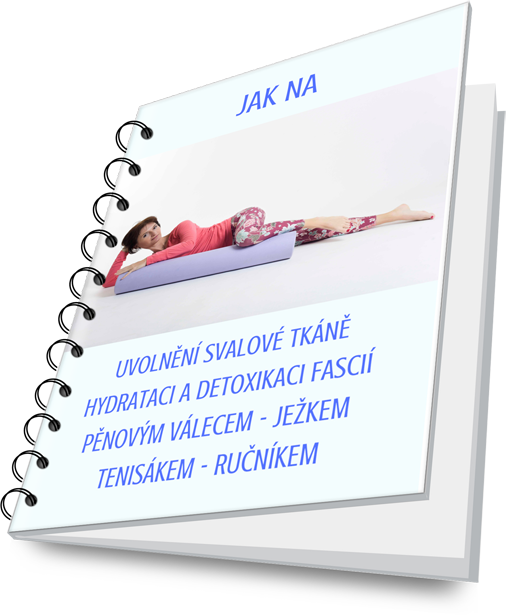
The spiky ball and the foam ball are my saviors in the mountains after a strenuous hike. During the work year, my calves and thighs aren't accustomed to the dynamic challenge of a full-day hike in difficult mountain terrain. That's why every evening, I massage them to regenerate my muscles, tendons, and fascia, which allows me to set out on another demanding trek the next day without pain or soreness. The self-massage technique is very important. To learn more about the technique and how to do it, click here.
Are You Tired of Back and Joint Pain?
Do you want to put an end to it once and for all? Do you want to learn how?
Your body is a reflection of how you use it—at home, at work, during sports, and while traveling. By changing your movement habits, you can address the true cause of your problems and finally start enjoying life and travel without pain. The BODY IN MOTION Mini-Course will teach you how to use your body in a way that allows movement to heal, not harm it. Click HERE to join.
And now, all that's left is to wish you happy travels and wonderful moments, not just on vacation, but at work too. Be well, and may you work, play sports, and have fun without back and joint pain.